
Our Publications
Please select a publication below.
ENR

February 2, 2026
Cover Story
Back to Top


News
Back to Top



.webp?height=168&t=1771037834&width=275 "Procore-(2)")
Construction Technology
Procore Acquires Construction Agentic AI Platform Datagrid
Construction management platform gains a construction-based AI agent builder in completed deal announced Jan. 20.
Read More


Airports
$3.5B AirTrain Newark Replacement Re-Forms After Bids Blew Budget
Port Authority reconstitutes version of the airport people-mover replacement, re-entering early design and procurement planning
Read More

Transportation
Amtrak’s Penn Station Shortlist Puts Delivery Risk at Center Stage
Three teams advance under a P3 model that must reconcile live rail operations, aging infrastructure and competing visions for Madison Square Garden
Read More

New York Governor's $260B Budget Includes New Spending for Clean Water Infrastructure, Housing, Advanced Tech
Gov. Kathy Hochul presentation follows permitting reform proposals set to speed residential and infrastructure construction
Read More


Policy
DOJ Abandons Appeal, Cementing Ruling on DOT Grant Conditions
Decision leaves in place a federal court order barring USDOT from tying transportation grants to immigration enforcement
Read More


Equipment
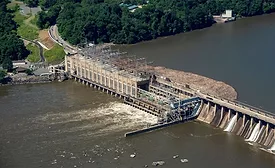
Turner Construction Launches Equipment Rental Firm
Company will initially focus on Turner projects and renting to trade contractors working on them
Read More

Legal
Burns & McDonnell Targeted Over Alleged Broken Promise to Use MWBE Firms
Lawsuit argues design-build firm kept work for itself under a $60M Seattle utility contract
Read More

.webp?height=168&t=1768817497&width=275 "Big-Sur---Hwy-1")
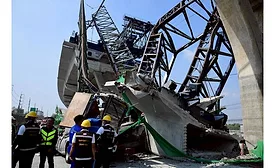
At Least 30 Are Dead in Pair of Construction Crane Collapses in Thailand
Thai government halts work on Bangkok contractor's other projects
Read More

.webp?height=168&t=1768904402&width=275 "Builders-Risk")
News Analysis
When Builders’ Risk Insurance Starts Dictating Jobsite Decisions
Higher deductibles and tighter insurance terms are pushing owners and contractors to manage losses earlier, shifting risk prevention onto the jobsite
Read More

Dam Restoration
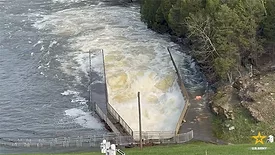
Corps Clears Next Phase of Modifications to Rough River Dam in Kentucky
The U.S. Army Corps of Engineers estimates the cost of the project at between $320 and $655 million
Read More

Energy
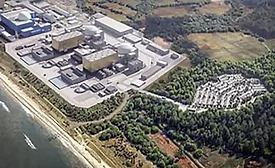
Jacobs Tapped to Support Delivery of UK's $51B Sizewell C Nuclear Project
Engineering firm to provide program integration and governance support as construction accelerates
Read More
Nuclear Power
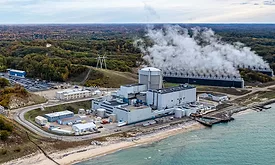
Tasks Delay Restart of Palisades Nuclear Site Until Possibly Late March
Steam generator components are key focus to turn on 800 MW, 55-year-old Michigan power station, with numerous inspections still needed
Read More

Energy
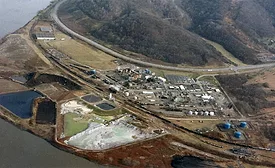
After a Decade on Ice, $1B Gas-Fired Power Plant Returns in West Virginia
Calpine revives a long-permitted 549-MW project as demand forecasts reset
Read More

.webp?height=168&t=1769519438&width=275 "Jan.26epub_Grain-Belt-Express---Killed (002).jpg")
Power Infrastructure
Illinois Supreme Court Gives Key Backing to $11B Grain Belt Express Project
Judges ruled unanimously that planned 800-mile high-voltage direct current transmission line from western Kansas to Indiana meets financing mandate
Read More

Federal Funding
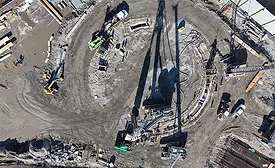
Federal Funding Freeze Threatens to Halt $16B Hudson Tunnel Project
Civil work and tunneling preparations are at risk
Read More

Federal Government
States’ Uncertainty Grows as FEMA Eyes More Staffing Cuts
Agency could be impacted by possible partial shutdown in light of growing displeasure over recent actions of the Dept. of Homeland Security
Read More
Departments
Back to Top

Construction Economics
Back to Top