Environment
EPA Rule to Speed Project Approvals Limits Scope of State Clean Water Challenges
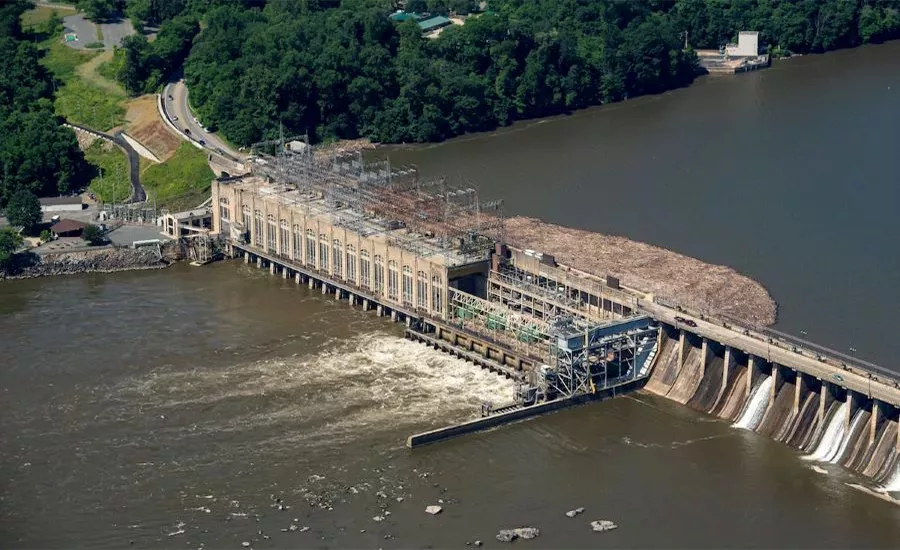
Conowingo Dam owner Constellation Energy agreed to incorporate $340M in improvements during negotiations with Maryland officials and environmental groups to obtain a Section 401 federal water quality certification to continue operating.
The U.S. Environmental Protection Agency has proposed limiting the scope of challenges from states and tribes under the U.S. Clean Water Act, Section 401—revoking a 2023 Biden administration rule officials claim has slowed approvals of infrastructure projects.
The current federal law requires certification before a U.S. agency can issue a permit or license to discharge waste into federally protected bodies of waters, described as “waters of the United States” or WOTUS. The first regulations implementing Section 401 were enacted in 1971 during the Nixon administration and remained in place until 2020, when the first Trump administration issued new ones to speed up project approvals.
Environmental groups challenged the new rules in federal court but ultimately were unsuccessful.
The Biden administration in 2023 revoked the 2020 regulations and released new ones that maintained a focus on expedited project approvals, but also encouraged stakeholder involvement early in development to avoid litigation.
The new proposal, published Jan. 15 in the Federal Register, contends that the Biden rules are “fundamentally flawed” because they expand the scope of how states and other entities can challenge infrastructure projects, which “enabled certain states to abuse this provision, creating substantial regulatory burdens that unnecessarily delayed or blocked vital energy, infrastructure and development projects critical to America's economic and national security,” said EPA in its announcement.
But environmental groups argue that the agency’s action is just the latest in a long string of efforts by the current administration to roll back environmental protections. Moneen Nasmith, Earthjustice director of national climate and fossil fuel infrastructure, said in a statement that the EPA effort “is solving a problem that doesn’t exist … States and tribes that take [their] responsibility seriously are not abusing their authority, they are following the law.”
The Trump proposal includes provisions that would limit the certification process to only determining whether point-source discharges comply with “applicable and appropriate water quality requirements” rather than broader impacts, and would prohibit a certifying authority from asking an applicant to withdraw and resubmit a request for certification to ensure that the process does not extend beyond one year.
Looking for quick answers on construction and engineering topics?
Try Ask ENR, our new smart AI search tool.
Ask ENR →
State and other certifying agencies have traditionally used their ability to request withdrawals to allow infrastructure owners and developers to ultimately move forward with projects in a way that not only allowed them to be built but also to be built in a way that meets applicable water quality standards.
In some cases, states have imposed conditions as part of their certifications. In October 2025, for example, after a drawn out, multiyear legal battle, the Maryland Dept. of the Environment reached an agreement with Constellation Energy (formerly Exelon) to provide it a water quality certification to continue operating a hydroelectric dam under the condition that the company install $340 million in operating improvements and environmental upgrade projects at the site.
Robin Broder, acting executive director of Waterkeepers Chesapeake, who was involved in discussions that led to the settlement by the state and Constellation, worries that the Trump administration proposal would limit the ability of environmental groups to insure that infrastructure owners and developers have projects that do not degrade water quality.
Once all the parties, including the Lower Susquehanna Riverkeeper, “were able to sit down with the state and the dam owner, and go through all the issues together, we came up with a water quality certification and a settlement agreement that will protect [it],” Broder told ENR. “I just don't see that kind of exercise happening in a very compressed pro-industry environment.”