Proposed revisions to effluent limitations guidelines tied to grid reliability and AI-driven power demand could alter planning for environmental infrastructure projects
EPA’s proposed coal wastewater rule overhaul could reshape compliance work and environmental infrastructure planning as utilities reassess projects amid regulatory uncertainty and shifting grid demands.
Terminations of the National Science Foundation's 22-member board, including noted USC engineering school AI researcher Yolanda Gil, could have a chilling effect on scientific and engineering research.
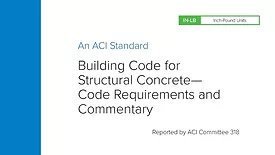
The first update to the structural concrete standard since 2019 also builds on and clarifies the previous version's guidance on deep foundations and shear friction.
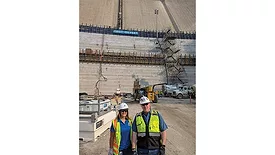
Around 2009, Denver Water’s capital plan was packed with upcoming work. Major projects—including the Gross Reservoir Expansion, Northwater Treatment Plant and lead pipe replacements—threatened to overwhelm the utility’s engineering department.
A different prefabrication and modular construction sector came out of the pandemic. Ambitious startups such as Skender Manufacturing and Katerra folded in the last few years, while one major health care designer lamented an industrywide pullback that saw many of the suppliers they work with cut back on custom, by-project fabrication to standardize on products like headwalls and bathroom pods.
Last month marked the anniversary of two deadly gas explosions that rocked New York City and led to the passage of new safety laws aimed at ensuring such tragic incidents were not repeated.
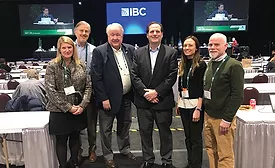
A proposal to incorporate the first U.S. guidance on tornado-resistant design into the model 2024 International Building Code passed the International Code Council’s structural committee by a vote of 14-0.
Technology is transforming entire industries to be more efficient, yet productivity lags in construction—confoundingly so. The reality is that the problem is systemic. What if there was a par system for construction?