Environment
EPA Chief Proposes Rolling Back Key Power Plant Emission Rules
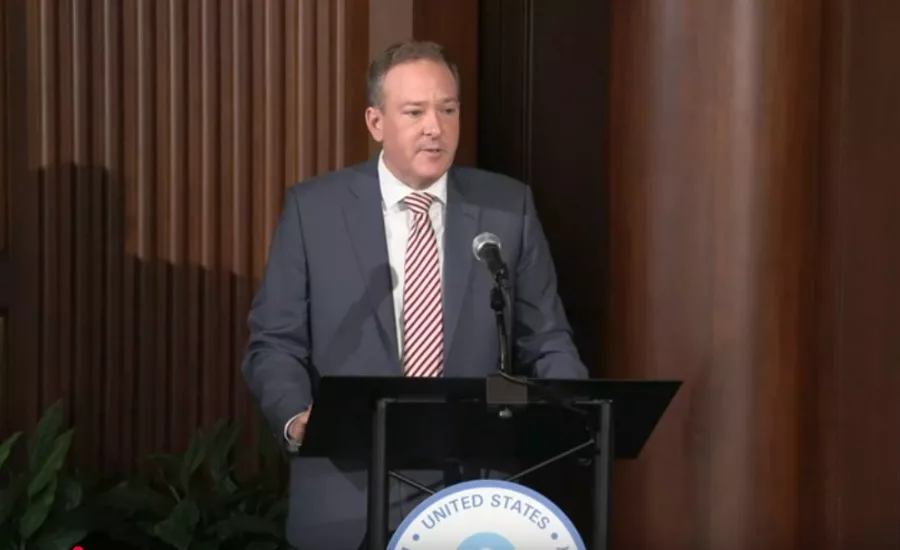
EPA Administrator Lee Zeldin unveiled his proposal to repeal power plant emissions standards June 11 for greenhouse gases and weaken them for mercury and other air toxins.
Photo courtesy U.S. Environmental Protection Agency
The U.S. Environmental Protection Agency is moving to reverse regulations intended to limit air pollution from power plants, Administrator Lee Zeldin announced June 11.
The proposed rules target greehhouse gas emissions standards for fossil fuel-fired power plants that had been set in 2015 and updated last year, as well as amendments to the Mercury and Air Toxics Standards for power plants made last year to limit their emissions. In March, Zeldin included the rules in a slate of dozens of regulations he said he wanted to roll back as part of a Trump administration focus on cutting regulations, with officials claiming that power plants are no longer a major source of global emissions, despite statistics from the U.N. and other sources that contradict the assertion.
Speaking at EPA headquarters, Zeldin said the regulations had forced some aging fossil fuel plants to close. He also highlighted the growing demand for electricity to power artificial intelligence data centers. AI data centers account for more than 3% of electric demand, and “will eat up nearly 10% of U.S. electricity supply within 10 years,” he added.
In one proposed rule, EPA says that, under the Clean Air Act’s provisions, it must make a finding that GHG emissions from fossil fuel-fired plants contribute significantly to dangerous air pollution before it can regulate those emissions. However, it is also proposing that those emissions do not contribute significantly to air pollution under the law. Electric power generation accounted for 25% of U.S. greenhouse gas emissions in 2022, the most recent data available, according to EPA.
The second proposed rule would repeal amendments added last year to the mercury and toxics rule that have not yet taken effect. The Biden-era rule tightened emissions standards for coal-fired plants, cutting the standard for toxic metals by 67% and the standard for mercury by 70%. Repealing the latest rule would revert the standards back to 2012 levels.
In April, EPA already exempted dozens of companies from having to follow regulations for mercury and other air toxics for two years.
The agency estimates the repeals would save the power sector $19 billion in regulatory costs over 20 years.
Looking for quick answers on construction and engineering topics?
Try Ask ENR, our new smart AI search tool.
Ask ENR →
The proposal to repeal the rules is supported by some Republican members of Congress, who joined Zeldin at the announcement event. The American Iron and Steel Institute also supports the move, said President and CEO Kevin Dempsey, citing need for more affordable electricity.
“The onerous, costly and unproven mandate included in the current power plant rule would adversely impact the innovations that are already being implemented to reduce America’s carbon footprint,” he said.
But EPA “hoisting the white flag of surrender” on power plant air pollution would cause “immense harm” to the climate and public health, said Manish Bapna, president and CEO of the Natural Resources Defense Council, adding that it will challenge the repeal in court if finalized.
“Allowing the largest industrial sources of both climate pollution and toxic emissions to operate without restraint would mark a catastrophic failure of environmental protection,” Joe Goffman, a former EPA assistant administrator for its Office of Air and Radiation, said in a statement.
Observers speculate that the lack of detailed scientific and cost-benefit analyses in the hastily developed and administration-approved proposals could become a legal risk as lawsuits emerge, with a likelihood they would be diluted.
EPA has not yet published the proposals in the Federal Register, but plans to hold a public hearing 15 days after publication and to accept public comment for 45 days.

.webp?height=200&t=1770408349&width=200 "Clean-Air---Good-Neighbor-Plan-(2)")