Why does most construction activity keep flowing to the same states—and what do power, labor capacity and value-added data reveal about where competition will intensify?
The FY 2026 NDAA is now law, codifying progressive design-build and multiyear contracting that could reshape how defense agencies procure and deliver military construction projects.
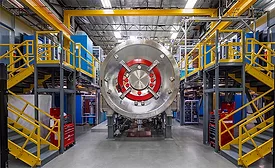
The social media company's $6B merger with a nuclear fusion developer may bring new investment in the technology, but any construction is still a ways off.
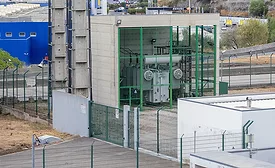
As data center demand surges, grid access—not land—is deciding which projects move forward, forcing builders to rethink power infrastructure, costs and schedules before construction begins.
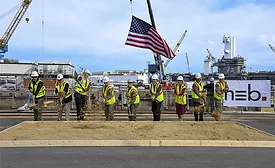
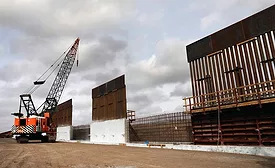
Beyond the dollar figure, AIS Infrastructure’s border announcement signals where labor pressure, equipment demand and execution risk may concentrate as federal projects move forward.
Breakup of National Center for Atmospheric Research could disrupt forecasting models critical in infrastructure design, permitting and resilience planning
What happens to permitting, design assumptions and risk models if the federal research backbone behind U.S. weather forecasting, NCAR, is broken apart?
Does a slide in construction backlog signal tougher bidding and thinner margins ahead, or can contractors still find growth in infrastructure and data centers?
Federal Trade Commission suit against German firm Henkel’s bid comes as construction materials prices stay elevated, raising concerns that consolidation could hike bid risk and squeeze contractor margins.
.webp?height=168&t=1766439714&width=275 "Value-Added-Map")



.webp?height=168&t=1765879974&width=275 "Consturction-Materials")
