Cities, states and regions are taking steps to prepare their buildings, infrastructure and homes for the impacts of climate change as bad news continues to mount about rising sea levels.
Canada has prided itself on innovative use of public-private partnerships to build major infrastructure projects. But critics, including public employee unions, argue in new analyses that P3s cost taxpayers more than government procurement methods.
Delegates at the American Institute of Architects annual meeting late last month in New York City resoundingly passed an anti-abuse and anti-harassment resolution to amend the AIA Code of Ethics and Professional Conduct.
Jesse Ely, a union ironworker, can thank a net designed to catch falling debris for saving his life after a harrowing fall from the edge of a Seattle high-rise building.
The joint venture of American Bridge and Fluor Corp. has reached a settlement valued at $34 million with the California Transportation Dept. (Caltrans) to end a five-year dispute involving faulty seismic anchor rods used for the $6.5-billion San Francisco-Oakland Bay Bridge rebuild.
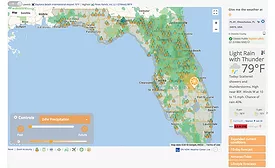
Keeping an eye on weather conditions around critical infrastructure is a persistent problem for public agencies and private owners, particularly in underserved communities far from government weather stations.
Stewards of public transportation and rail systems throughout the U.S. are facing both certain deadlines for installing positive train control (PTC) systems and uncertainty regarding the future of grants due to a proposed budget that has left some projects in limbo.
While a new report forecasts spending on North American pipelines and midstream infrastructure will begin declining after next year, at least one engineering firm sees significant near-term activity, partly on higher oil prices.
 RSS
RSS