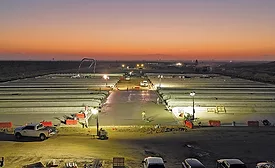
The Shafter-Wasco Recycling & Sanitary Landfill is home to a new composting system that will process 100,000 tons of organic material each year with the help of 32 composting bunkers.
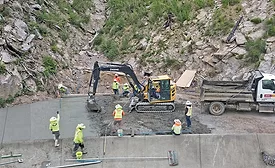
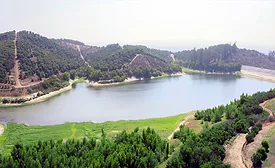
The one-two punch of a major wildfire coupled with debris from subsequent flash floods compromised sections of the 129-year-old pipeline that supplies 20% of Flagstaff’s summer potable water.
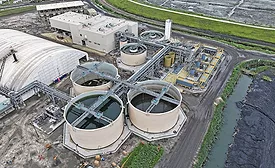
The projects at the Cross and Winyah stations in South Carolina were designed to treat flue gas desulfurization effluent and meet the U.S. EPA’s 2020 effluent limitation guidelines for arsenic, selenium, mercury and nitrates.
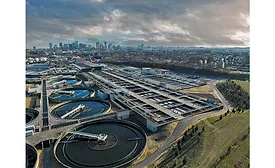
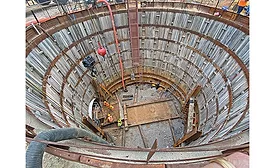
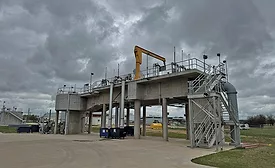
The project team made substantial upgrades to existing process units, including the central pumping station, a new intermediate pumping station, EQ storage and a new headworks facility.
The Progressive Infrastructure Planning to Ensure Sustainability project—or PIPES—is an initiative led by the city of Tampa to address its aging underground infrastructure.
In addition to transitioning the Houston region from groundwater to surface water, the $36-million, 108-in. waterline will help support regional growth and water demand projections through 2040 and beyond. It’s also the largest waterline project ever built for the city.
To prepare for an anticipated 25% population increase in the Cleburne area over the next decade, this project expanded both the city’s potable water supply and wastewater treatment capacity.
Joint venture to oversee construction management of California water district’s largest-ever capital project, reshaping Orange County's recycled-water system.