Opinion
New York's Unneeded Data Center Permit Pause Stalls Progress

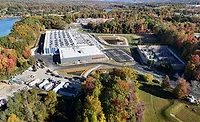
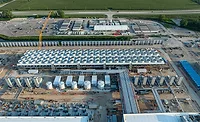
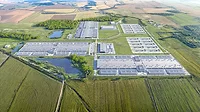
Data centers like this one have become a major driver of U.S. construction activity. This commentary argues New York's permitting moratorium risks sending future investment, jobs and critical digital infrastructure to competing states.
New York Gov. Kathy Hochul's (D) executive order placing a moratorium on state permitting for large data centers over 50 MW is remarkable—not because it aims to ensure responsible development, but because it sidelines the very permitting process designed to accomplish that goal.
The stated rationale—to study the cumulative impacts of data centers on energy demand, water consumption and surrounding communities—is understandable. These facilities consume enormous amounts of electricity and water while requiring significant investment in utility infrastructure. Each proposed buildout deserves rigorous environmental scrutiny— precisely the job permitting was created to do.
New York already possesses an extensive environmental review framework. State agencies can examine proposals, require mitigation, impose conditions or reject projects that fail to serve the public interest.
A blanket moratorium sends a different message: that New York no longer trusts the very process it created to separate worthy projects from unworthy ones.
If that is true, the state should reform the permitting system—not suspend it. The executive order creates another problem equally damaging to the construction industry: uncertainty.
Compounding the problem, the moratorium's duration is unclear. Officials have suggested the review could take about a year, but the order itself sets no deadline. For owners, developers, contractors and lenders, uncertainty is even more destructive than an unfavorable decision. Capital can price risk. It cannot price indefinite delay.
Construction runs on certainty and when certainty disappears, investment follows it elsewhere.
That matters because data centers are no longer speculative private developments. Instead, data centers should be viewed as digital infrastructure—and as essential today as highways, ports and water systems were to earlier generations.
Looking for quick answers on construction and engineering topics?
Try Ask ENR, our new smart AI search tool.
Ask ENR →
Would Albany suspend bridge permits while studying future transportation demand? Would it freeze approvals for water treatment plants while evaluating tomorrow's utility needs?
Data centers deserve scrutiny. The question is whether New York should replace project-by-project review with a statewide prohibition. It should not.
ENR's online news editor
Demand for data centers will not disappear because one state pauses permitting. It will relocate. Developers will simply pursue projects where regulatory pathways remain predictable.
Texas, Virginia and other states stand ready to welcome that investment, along with the construction jobs and tax revenue that accompany each buildout. New York risks accomplishing only one thing: ceding its place in one of the nation's fastest-growing construction sectors.
None of this is to suggest New York lacks legitimate concerns.
To be fair, New York faces a genuine challenge. The Climate Leadership and Community Protection Act requires 70% renewable electricity by 2030, while New Yorkers already pay electricity rates about 50% above the national average. Pausing data center construction may seem like a simple way to curb demand, but environmental stewardship and economic development need not be mutually exclusive.
Projects should meet rigorous environmental standards, and those that fail should not proceed. A functioning permitting system distinguishes responsible development from unacceptable impacts.
A blanket moratorium does neither.
Whatever its intent, the executive order will almost certainly invite litigation while delaying investment, clouding the business climate and signaling to investors that uncertainty—not planning or public review—has become the state's preferred infrastructure policy.
The Empire State earned its name by building what others thought impossible. It should not begin defining itself by the projects it chooses not to build.
Bryan Gottlieb is ENR's online editor. Email him at gottliebb@enr.com.

Bryan Gottlieb is the online editor at Engineering News-Record (ENR).
Gottlieb is a five-time Society of Professional Journalists Excellence in Journalism award winner with more than a decade of experience covering business, construction and community issues, including finance, law and real estate. He has reported for Adweek and the San Diego Daily Transcript and led a community newsroom in Santa Monica, Calif. He served as editor-in-chief of the Detroit Metro Times and as managing editor at Roofing Contractor, where he helped shape national industry coverage. At Engineering News-Record, Gottlieb covers breaking news, large-scale infrastructure and megaprojects, regulatory developments and business trends across the U.S. and global construction sectors.
email: gottliebb@enr.com | office: (248) 786-1591