ENR 2026 Top 20 Under 40
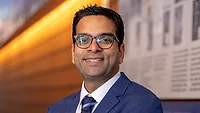
Gina Semerad: Health Care Engineer Advances Human-Centered Design

Gina Semerad
39, Principal, HVAC
Jaros, Baum & Bolles
New York City
Semerad is known for performing technically rigorous health care engineering and has a deeply personal commitment to improving the patient experience.
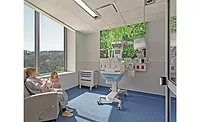
Since joining the company in 2008, Semerad has helped lead a transformative, multiphase master plan for a major New York City hospital expansion—a project that includes a new energy building and an 830,000-sq-ft inpatient tower—and continues to support complex restack and renovation work across the campus.
Semerad has delivered some of the region’s most advanced electrified health care facilities, serving as lead HVAC engineer on one of New York City’s earliest outpatient projects that was designed for full compliance with Local Law 97.
Now design lead for a 500,000-sq-ft oncology and multispecialty center on the same campus where her daughter received cancer treatment, Semerad approaches every project through a human-centered lens shaped by personal experience. She has strengthened JB&B’s knowledge-sharing culture through an HVAC subject-matter-expert framework and contributes nationally as a member of the American Society of Heating, Refrigerating and Air Conditioning Engineers’ committee for health care ventilation. Her family’s advocacy has raised more than $500,000 for pediatric cancer research through Alex’s Lemonade Stand Foundation.
How did you break into the industry?
I entered the MEP industry largely by luck. It wasn't the focus of my mechanical engineering degree and I had no background in HVAC, but I met a few people from JBB at a career fair and liked their energy. At the interview, I saw people bantering and bouncing ideas off each other, which was a huge contrast to other firms where it felt like engineers were expected to work in silos.
For a long time, I thought this was just a temporary stop. I assumed it would only take a few years to learn the technical side of the business and then I’d move on. But the passion snuck up on me as I realized how many challenges are still ahead of us, especially regarding energy, carbon, and infection control. We don’t have all the answers yet, and I realized I had an opportunity to be a helper in finding them. Now, I'm one of the most passionate HVAC engineers you'll find.
Looking for quick answers on construction and engineering topics?
Try Ask ENR, our new smart AI search tool.
Ask ENR →
What is one challenge that you’ve overcome in your career. How did you overcome it?
Early on, there was a lot of unspoken expectation that becoming a senior leader meant you had to participate in a "steak and cigars" culture to build business. I’ve never been the kind of person to shine in that setting, and as a young female engineer, I wasn't exactly getting invited into those rooms anyway.
I overcame that by focusing on building client trust through extreme diligence and a visible level of care for the work I was doing. I found that this approach aligned perfectly with my clients—especially on the institutional side—who care deeply about the long-term outcomes of their designs. By demonstrating that I was as invested in the success of the project as they were, I learned my value and realized that you don't need to follow the loudest or most traditional path to be a trusted leader.
What is your favorite project and what challenges did you overcome on it?
I’ve been lucky enough to lead the design for some massive hospital projects, but my favorite wasn't the most glamorous. Right before COVID reached New York, we started working with a hospital to plan for emergency overflow. That quickly turned into a permanent emergency department expansion with ventilation designed specifically for respiratory risk.
We had to design and build in weeks what would usually take years. Because of supply chain issues, we didn't have our typical tools available, so we had to pivot constantly and find creative solutions in real-time. It was a high-pressure environment, but it was also a time where so many of us felt completely helpless. Having the opportunity to help even in this small way—protecting the clinicians who were taking on all the risk—really helped me stay grounded while everything else felt uncertain.
What’s the best part of your job?
There are so many different types of problems to solve that there is no time to get bored. I love that our work is naturally collaborative; I’m always learning about other trades during coordination so we can find a team solution instead of treating a problem like a competition. There’s also a lot of satisfaction in digging into a complex problem and then creating a pathway for others to benefit from that knowledge through mentorship or new standards.
How do you maintain a work-life balance?
To be honest, work-life balance isn't my strong suit, but I’ve never been a fan of the traditional narrative because engineering has always felt more like a hobby and a passion than just a job. I’m naturally curious about how things work, and that’s an enthusiasm I share with my two sons. Whether we’re exploring how a building’s systems function or heading out on a family trip, that curiosity is a thread that runs through my whole life.
While I’m still learning how to navigate boundaries, I find balance by being intentional about my time. My husband is amazingly supportive and we are a family of passionate people—whether it’s about work, vacations, Lego building, or sports. I love being surrounded by that energy. For me, it’s about choosing passion with mindful rest over the idea of a perfect balance.
What’s your career advice for other young professionals in the industry?
Don’t hyper-focus on how the leaders around you are achieving things; focus on the outcomes they’re reaching. It’s rare to follow exactly in someone else’s footsteps, so it’s important to look around and see how many different ways people are taking their next steps. Most people rely on a blend of mentorship and advice, so look for the path that fits your specific strengths rather than just following the most obvious one.
Where do you see yourself in 10 years, and what goals have you set for yourself to get there?
I want to be a strong voice in the rooms where we are pushing for progress in public health and carbon reduction. Our industry relies on solutions being replicable, so being technically minded shouldn't mean treating everything like a science project. I want to be on the team that is paving a clean, clear path forward with solutions that are accessible enough to see actual improvements across the entire industry.