Coalition of 24 states, 10 cities and five counties sued federal agency in US court to reverse repeal of core scientific basis to regulate greenhouse gas emissions from vehicles, power plants and other sources—with battle headed for US Supreme Court..
Left in place is a lower court ruling that the state law is unconstitutional because it bars outside
developers of federally approved regional transmission lines, which were
termed “classic instruments of interstate commerce.”
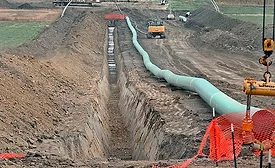
Amid site protest arrests, a Richmond, Va. appeals court panel admits its cancelled jurisdiction to rule on suits seeking to stop the $6.6 billion gas line's completion, but route landowners are pressing another court to keep their eminent domain lawsuit alive.
The "right-to-control theory" used by federal prosecutors "cannot form the basis for a conviction under federal fraud statutes,” Justice Clarence Thomas said in the unanimous opinion, with the high court also ruling on disputes related to the controversial Mountain Valley gas pipeline and to state mandates affecting interstate commerce.
Justices could move to reduce power of U.S. agencies such as EPA and SEC to interpret rules under unclear federal laws based on 40-year-old high court precedent, but they opt not to intervene in the latest climate-change damage litigation against energy companies.
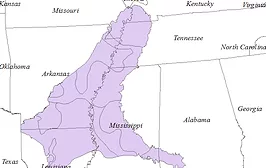
Nov. 22 decision nixing 15-year Mississippi claim against Tennessee over shared aquifer use impacts will affect other states, with growing climate change issues for water resources, sector experts say.
Line 3 is at risk for Minnesota criminal charge after construction error, as Dakota Access asks US Supreme Court to halt expanded Corps of Engineers environmental review