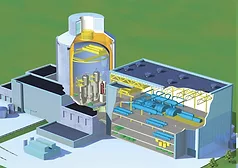
Loan guarantees for long lead components come as administration aims to fast-track nation's AI dominance and more states eye nuclear to meet growing power needs.
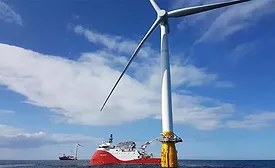
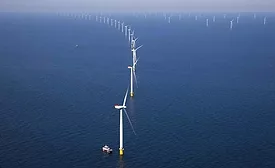
California said June 23 it intends to sue US Interior Dept. and developer Golden State Wind LLC for an "unlawful agreement" to cancel $120M Morro Bay lease for 2-GW floating wind project.
Invenergy is the latest to accept $765M buyout of wind lease areas in exchange for new gas projects, but developer still is set to build the 800-mile Grain Belt transmission line for land-based wind and solar energy.
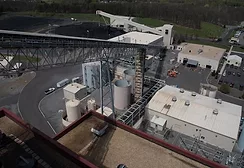
But will added taxpayer funds for new, reopened and upgraded coal power plants be enough to meet growing energy demand, attract private investors and users and reinvigorate a long ailing segment?
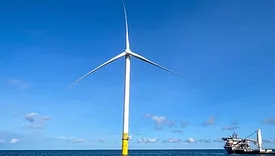
Clean energy legal actions get second wind as June 6 federal court decision rejects Trump rules for how wind-solar projects can use key federal tax credits during construction—following by days state attorneys general lawsuit to nullify a wind developer's $1B government lease buyout they claim is “blatantly unlawful.”
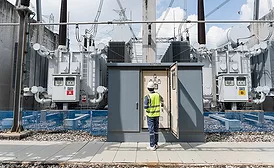
The move is intended to support deployment of transformers, pipelines and LNG systems, but Energy Dept. has yet to identify specific projects or funding levels.
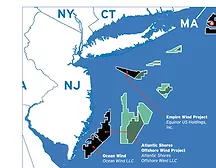
After winning court rulings in recent weeks against Trump-ordered construction halts, East Coast megaprojects and political supporters are mounting new efforts to avert attacks as more projects reach key completion and power delivery milestones.
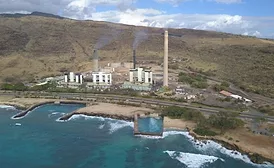
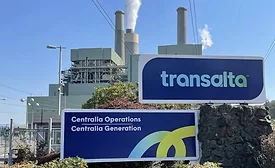
State disputes claimed regional power supply gap—saying the barely functional early 1970s plant, now ordered to operate through June 14, awaits a planned $600M conversion to natural gas—while legal action also is likely for aging Colorado plant ordered to operate.
Industry event channels lessons learned and strong momentum to keep investment and supply chain appeal strong for clean energy sector; "Reimagining is not retreat," said top wind advocate.