Coal Power
UPDATED Multiple Suits Target Trump 'Emergency' Order Keeping Washington State Coal Plant Open
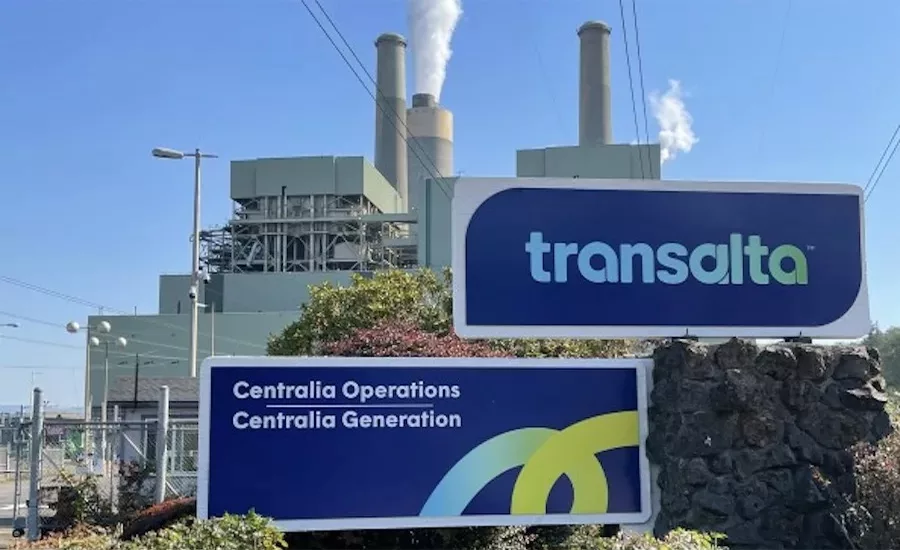
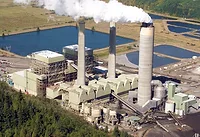
The state of Washington and a consortium of public interest groups filed federal lawsuits in early March to halt a Trump administration "emergency order" in mid-December requiring that a barely functional coal-fired power plant in Centralia keep operating—despite an end-of-year closure and a planned $600-million conversion to natural gas long set.
The emergency order, which was issued by U.S. Energy Secretary Chris Wright under the Federal Power Act and set to continue until March 16, 2026, now has been extended to June 14, he said March 17, claiming a longer-term power shortage.
The new order forces owner TransAlta Corp. to keep operating the 730-MW Unit 2 of the Centralia Generating Station, despite its original closure date timed to comply with a state law banning coal power generation in 2026 and beyond. The independent power producer and the state agreed to convert the facility. which opened in 1971, to natural gas by the end of 2028.
The lawsuit, filed in the federal appeals court in San Francisco, follows a January request for a rehearing with the agency, which was denied without a hearing. Also, a consortium of public interest groups is filing suit separately in that court. led by Earthjustice. In its filing, the state asks the court "to hold unlawful, vacate and set aside the Centralia order and grant such further relief as may be deemed just and proper.”
The lawsuits claim the ordered operation is unlawful under the federal act, claiming there is no actual power supply emergency.
“Trying to force Washington to restart a defunct power plant is not only illegal, but would also jeopardize public health,” Washington Attorney General Nick Brown said. “Washington state will not be bullied.”
Brown also sued the department in U.S. District Court in Seattle, alleging it violated the Freedom of Information Act (FOIA) "by unlawfully withholding records" related to the plant reopening order.
Looking for quick answers on construction and engineering topics?
Try Ask ENR, our new smart AI search tool.
Ask ENR →
The federal lawsuit says DOE’s order "presents no legitimate factual basis—let alone substantial evidence—to support its claim that maintaining Centralia as a coal-fired facility is necessary to ‘meet’ any emergency.” It claims the federal agency "both misreads and misrepresents the sources it cites as support for an emergency"—asserting that the order "can only be explained as aimed to benefit the coal industry rather than any true ‘emergency’ in the Northwest.”
Centralia's Unit 2 is the last operating coal-powered plant in the state, with Unit 1 shut down in 2020 and a final closure and conversion deal in effect since 201. Puget Sound Energy agreed to purchase power from the updated facility for 15 years.
While technically still open, the plant had ceased all operations in preparation for the closure and is not currently producing power from coal. The gas-fired conversion still requires regulatory approvals and a final investment decision is expected in 2027.
John Kousinioris, CEO and president of Calgary, Alberta-based TransAlta, previously said that converting to natural gas would lower the plant's emission intensity by about 50%. On a March 6 quarterly results call, he said Washington's strong hydropower supply makes plant operation unnecessary.
“Our region has moved beyond reliance on coal and this plant to meet our energy needs with cleaner sources,” Patti Goldman, Earthjustice attorney, said in a statement. “This illegal DOE order ... forces a decrepit coal plant to produce unreliable power while worsening pollution and inevitably raising energy rates for Washington residents.” Its suit represents NW Energy Coalition, Washington Conservation Action and Climate Solutions, Sierra Club and the Environmental Defense Fund.
Owners of Colorado's 446-MW Craig Plant in Westminster on Jan. 29 also filed for a rehearing of the Energy Dept. order, claiming it amounts to a "physical and regulatory taking" of their property, which was set to be retired on Dec 31, 2025, and violates the U.S. Constitution and federal law. They also say that the cost of keeping the 45-year-old plant open would be between $85 million and $150 million annually, expenses that ratepayers would have to cover.
The rehearing request action, and similar petitions by the state attorney general and opponent groups, are also precursors to potential federal court filings.