Investors and developers are bullish on clean energy to quickly meet nation's power demand surge, but federal actions that undermine projects and remain vague on tax credit rules, as well as slow connection to the grid, could hamper markets.
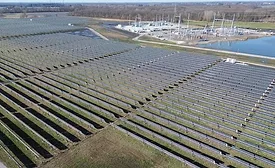
Developer Doral adds the estimated $460-million project to its U.S. portfolio even as the Trump administration squeezes solar tax credits, cuts funding and mandates new approval.
A limited Volcker Alliance study on asset deferred maintenance exposes broad gaps in state transparency—prompting ENR to dig deeper into capital-budget records.
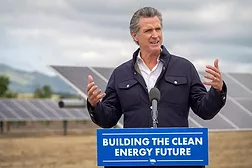
Newsom order targets projects above 1.5 MW so they show “significant physical work” by July 4, 2026 and are in service before the end of 2027 to qualify for credits.
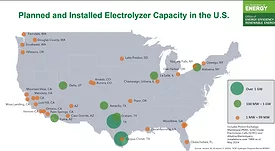
Finalized requirements by the Biden administration Treasury Dept. are set to spur construction of more hydrogen production facilities, particularly those that can manufacture 'green' hydrogen sourced by renewable energy.
Feds put on record the fine print of incentives set to propel lowest carbon production—but developers say timing of power sourcing and emissions reporting mandates put hydrogen sector growth at risk.
Incentives tied to craft worker compensation and apprenticeship on clean energy projects won't require developers to have project labor agreements, says the U.S. Treasury Dept.
U.S.
based giant First Solar also said it will spend $1.1 billion to build its
fifth domestic component factory in Louisiana, as India and China-based manufacturers plan new American capacity boosts
Second Massachusetts project, SouthCoast Wind, files to terminate project power agreement, and could face up to a $60-million fine, while developers in New York and New Jersey seek contract cost adjustments