Located on a quarter block on 2nd and Stewart in downtown Seattle, the Emerald is a 41-story condominium tower with 263 residential units, five levels of below-grade parking and retail space on the ground level. The 381,571-sq-ft tower features such amenities as a fitness center, yoga studio, dog washing room and outdoor terrace. The 39th floor will be home to an outdoor space for residents.
The Copper River office project for Alaska Airlines is transforming a 7-acre site opposite the airline’s headquarters into a light and airy campus with an intricate, sustainable landscape.
When reconstructing a three-mile segment of Glenn Highway in Eagle Creek, Alaska, engineers had to consider two types of travelers: human drivers and spawning fish.
The first new terminal in 40 years for the Washington State Dept. of Transportation-operated Washington State Ferries, the country’s largest ferry system, came with tricky site conditions and cultural significance that impacted both design and construction for a $187-million project split into multiple contracts to ensure on-time delivery.
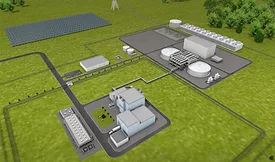
Bechtel will lead EPC work on a 345-MW reactor at Kemmerer site for Bill Gates-founded firm TerraPower; Southern Co. also announces demonstration project with the developer in Idaho.
 RSS
RSS