The U.S. Environmental Protection Agency on Sept. 8 said it plans to set effluent limitations guidelines and pretreatment standards for industrial facilities that manufacture per- and polyfluoroalkyl substances (PFAS), as well as chromium electroplating facilities, which use PFAS in their processes.
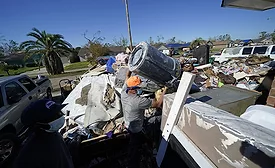
Between COVID-19, the five named storms that hit the state in 2020 and the industry’s ever-present labor shortage, Louisiana contractors have spent the last year trying to get by with a maxed-out workforce and pandemic-related supply chain shortages.
Reaching the Paris Agreement’s greenhouse-gas-emission reduction targets to limit global temperature rise to 1.5°C by 2100 is possible but extremely difficult without huge commitments and major actions of G20 nations and others, says a new study.
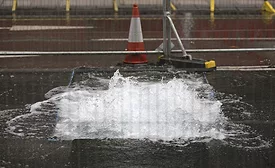
As the first anniversary of work on the U.K.’s 225-km London-Birmingham high-speed railroad (HS2) is reached, news of a major bentonite leak of more than 1,500 cu m at the project’s first tunnel has revived opposition to the project.
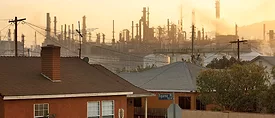
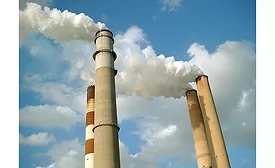
Rising health and climate change risks spur pushback from communities impacted by facility emissions and pollution—as owners, governments, activists and industry advisers weigh options for new levels of environmental justice.
House-Senate committee measures would have up to 10 times more impact than the Energy Act of 2020, says analysis, as Chevron says it will grow lower carbon energy businesses by $10 billion through 2028.
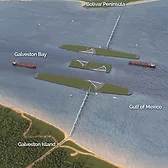
Plans for a multiple lines of defense strategy to protect the Texas Gulf Coast from hurricanes and storm surge moves to Congress for approval with the release of a final feasibility report and final environmental impact statement from the Corps of Engineers and Texas General Land Office that proposes $28.87 billion in coastal protection projects.
 RSS
RSS