Only a handful of structures remain at the 3,100-acre Sparrows Point complex in Baltimore from its heyday as the world’s largest steel mill, but, at present, the site seems equally far removed from its new owners’ long-term vision of the site as a major multimodal logistics and distribution hub.
In Louisiana, a new administration has put a temporary hold on the state’s annual coastal restoration plan as it reviews the most ambitious tasks to date: two projects to divert Mississippi River sediment to restore the state’s disappearing wetlands.
Even as drilling crews are getting closer to capping a natural-gas well that has spewed thousands of metric tons of methane since last fall, Los Angeles County District Attorney Jackie Lacey has filed criminal charges against utility Southern California Gas Co. for failing to immediately notify authorities of the rupture within the largest underground natural-gas storage facility west of the Mississippi River.
A spate of rare winter tornadoes across Texas and the Southeast has rekindled long-standing concerns about construction quality and building code enforcement, particularly in areas that appear increasingly vulnerable to severe weather.
The Obama administration wants to cut methane emissions from energy production on federally owned lands by requiring oil and natural-gas companies to limit flaring at wells and take steps to reduce leaks.
The fallout from Colorado’s Gold King Mine spill in August continues to spread. In mid-January, New Mexico state officials served a “notice to sue” to the Environmental Protection Agency and several other parties for their roles in causing the 3-million-gallon deluge that poisoned the Animas and San Juan rivers with acidic mine water.
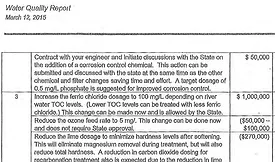
A report completed last March for Flint, Mich.’s emergency manager contained recommendations to inhibit pipe corrosion, which has been blamed for high levels of lead in the city’s water supply.
 RSS
RSS