After nearly three years of work in conditions that included stretches of frigid, sunless days, Canada’s first all-weather highway to its Arctic Coast is on track for completion later this year.
Efforts are underway in Louisiana to determine the possible impacts and new requirements for highway infrastructure that may result should the use of connected and autonomous vehicles (CAVs) grow.
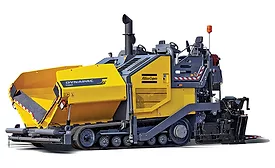
Swedish-based construction and mining toolmaker Atlas Copco is selling its roadbuilding equipment division to Fayat Group and will purchase a German manufacturer of drum-cutter attachments for excavators.
As the incoming Trump administration looks for ways to fund its massive $1-trillion infrastructure plan, it could find answers by looking toward the states—in particular, Colorado, California and Oregon.
Last year’s passage of the Fixing America’s Surface Transportation (FAST) Act may have provided the nation’s transportation agencies with more funding certainty, but the project planning and implementation landscape is substantially different than the one covered by the previous, multiyear bill.
Though it may be another year before the full effects of the Fixing America’s Surface Transportation (FAST) Act are felt nationwide, the $305-billion funding measure enacted in December 2015 already has provided many of the sector’s contractors with something they have not experienced in quite a while: a sense of stability.
Four months into the state-ordered shutdown of hundreds of millions of dollars of road and rail projects in New Jersey amid political bickering over funding, owners, contractors and workers scramble for solutions to salvage a fast-disappearing construction season.