Last month’s 210,000-gallon oil spill from the Keystone pipeline in South Dakota may have resulted from damage caused during construction, according to a preliminary investigation by the U.S. Dept. of Transportation’s Pipeline and Hazardous Materials Safety Administration.
Keystone XL developer TransCanada says it is reviewing the Nebraska Public Service Commission’s 3-2 decision approving an alternative route for the XL pipeline through the state.
Though the new chairman of the Federal Energy Regulatory Commission—the agency responsible for approving massive natural-gas pipelines—is making progress clearing a six-month backlog of such projects, he may be hamstrung by procedures put in place by the Obama administration and by at least one fellow commissioner.
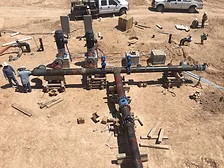
Amid rigorous scheduling demands, construction is wrapping up on an $18 million project to build a 20-mile, high-capacity pipeline in Pecos to deliver water for use in hydraulic fracturing projects.
A logjam of construction approvals for major natural gas pipelines, liquefied natural gas facilities and other projects could loosen by the end of the summer if the Senate approves two Republicans whom President Trump nominated May 8 to the Federal Energy Regulatory Commission.
Work is underway to clean up the “inadvertent return” of an estimated 2 million gallons of bentonite-based drilling fluid into high-quality wetland that occurred during horizontal directional drilling under the Tuscarawas River in Stark County, Ohio, for Energy Transfer Partners L.P.’s Rover Pipeline.
Utility regulators in the U.S. are looking for ways to get natural gas to more homes, a move that could spark the construction of new distribution systems and increase the demand for larger natural-gas transmission pipelines.