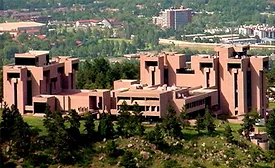
Breakup of National Center for Atmospheric Research could disrupt forecasting models critical in infrastructure design, permitting and resilience planning
What happens to permitting, design assumptions and risk models if the federal research backbone behind U.S. weather forecasting, NCAR, is broken apart?
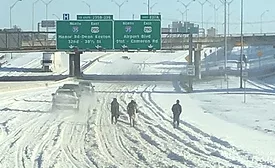
The legislation, which will require power plants to prepare for extreme weather conditions, was passed in response to widespread power outages in February, was signed by Gov. Greg Abbott on June 8.
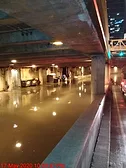
Record rainfall for May has left Chicago's tunnel and reservoir filled to capacity, and operations to send the water into Lake Michigan didn't immediately work due to high water levels and flooding.
An advanced weather service recently taken up by airlines and other industries that need hyper-accurate forecasting is making inroads into construction, and early-adopting roofing companies already are beginning to rely on its granular forecasts and alerts.
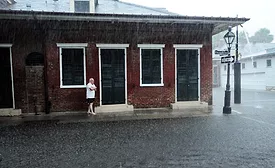
New Orleans is facing the biggest test of its post-Katrina hurricane protection system as the region is bracing for up to 20 inches of rain from Barry.
Engineers and architects have the responsibility to hold paramount the safety, health, and welfare of the public. Until building codes adapt, building professionals must seriously consider integrating passive design into their projects to ensure occupant safety during extreme weather events.
While proponents of a grid resiliency measure said it would bolster the system during bad weather, the recent winter storm proved such efforts unnecessary.