The electric hum of a motor and the crunch of gravel under tires were the only audible sounds as a fully autonomous dump truck drove itself along a stretch of road up to a gravel pile at Volvo Construction Equipment’s customer center in Eskilstuna, Sweden.
In an effort to prevent train accidents on a new $2.3-billion, 10-mile-long extension line in San Francisco, the Berryessa-Valley Transportation Authority/Bay Area Rapid Transit (BART) team is installing a railroad intrusion-detection system (RIDS) that uses warning devices originally developed for protecting shipping ports from break-ins.
For 20 years, contractors and architects have been increasing their use of building information modeling to reduce conflicts, provide comprehensive material takeoffs and deliver beautiful 3D renderings for improved design and construction of buildings. But mechanical, electrical and plumbing engineers have been stuck in 2D.
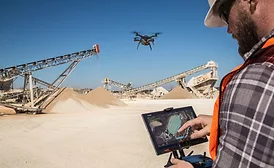
Clarified regulations that went into effect Aug. 29 represent great progress on this integration that will help construction and building operations optimize the benefits of drone technology—but the work still is incomplete.
Construction technology leaders and software developers are preparing for a massive storm of innovation as the industry moves its data and processes to the cloud.
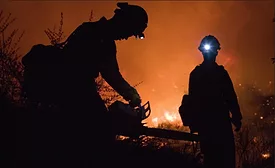
Social media, mobile devices, apps and drones are finding new roles helping stakeholders—such as construction companies and their personnel and jobsites—who have assets at risk when they confront shifting disasters, such as hurricanes and wildfires.
Technology tools developed over the last handful of years bring some oft-overlooked lifesaving benefits to builders in coastal states. Most platforms in the digital world, from drones to social media, can double as powerful tools for hurricane and disaster preparations.
Unmanned Aerial Systems pilots are flying close to landslide-prone terrain to collect higher-resolution elevation data than traditional aerial imagery can deliver, and they’re doing missions in scant hours—putting near real-time monitoring of dangerous slopes within practical reach.
Geospatial Media and Communications, an India-based market research firm, released a market report on August 2 about the state of Geospatial and BIM use in the construction industry and linking it to the construction economy as a whole
 RSS
RSS