Water & Dams
 RSS
RSS

ASCE Report: Infrastructure Gap $1.4 Trillion Over 10 Years
Surface-transportation's shortfall accounts for $1.1 trillion of the total
Read More


Flood Protection and Hurricanes
New Orleans Pushes to Finish Last Big Storm-Surge Project
The final post-Katrina flood protection project nears completion
Read More


Water & Dams
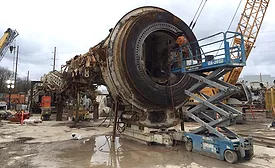
Shea, Kiewit Mine Into $500M Indiana Deep-Tunnel Contract
Citizens Energy Group plans to award the contract to S-K JV in early June
Read More


Infrastructure Funding
Senate Committee Approves $11B Water Resources Bill
The measure authorizes $5 billion for 27 new Corps of Engineers projects, plus aid for Flint
Read More
Global Development
Sri Lanka Reopens Stalled Chinese Project
But Myanmar hydro job remains idle
Read More