The Westar Energy constructed-wetland treatment system in northeast Kansas uses a novel, two-tiered approach to remove environmentally sensitive metals and selenium in wastewater effluent from a coal plant before they can harm natural vegetation and wildlife.
Faced with warnings of an imminent, catastrophic collapse of the earthfill structure causing widespread devastation, the Iraqi Ministry of Water Resources on March 2 signed up Italy’s Trevi Group to stem leaks under the dam and repair a bottom outlet floodgate.
To help residents recover from devastating water crises, Senate lawmakers are close to moving on legislation to provide millions of dollars in assistance to Flint, Mich., and cities like it.
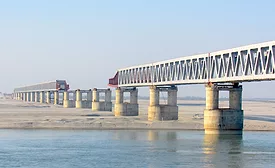
An array of factors, ranging from difficult terrain to political unrest, challenge contractors trying to build in the Himalayas and other difficult-to-reach locations.
A planned $2-billion flood-control project for the Fargo, N.D.-Moorhead, Minn., metro area allocates $5 million worth of construction funding from the U.S. Army Corps of Engineers in its 2016 work plan, said Terry Williams, corps project manager in St. Paul.
When the U.S. Congress adjourned in December, it scrapped a water-rights settlement package meant to end years of bitter haggling in California and Oregon’s Klamath Basin among farmers, fishermen, utilities ratepayers and environmentalists.
Awareness of antiquated drinking-water systems’ potential to fail on a number of levels is at an all-time high as critics excoriate the Michigan Dept. of Environmental Quality, state Gov. Rick Snyder (R) and the U.S. Environmental Protection Agency for their roles in the devastating water crisis in Flint, Mich.
A report completed last March for Flint, Mich.’s emergency manager contained recommendations to inhibit pipe corrosion, which has been blamed for high levels of lead in the city’s water supply.