Water & Dams
 RSS
RSS

Water Infrastructure
GOP Negotiators Announce Deal on Water Measure
Compromise includes $10.3B for Corps projects, plus $170M for Flint, Mich., water system
Read More


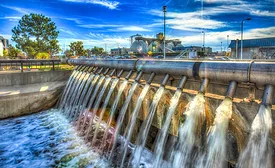
Los Angeles Aims to Unify a Complex Water Infrastructure
Years of California drought and resiliency threats lead to drive for less imported water
Read More


New Urgencies Drive Fixes to Old Problems
The Flint, Mich., crisis raises clean water to national attention
Read More


Lead Poisoning
Crisis in Flint Underscores a National Drinking Water Quality Problem
Awareness grows of trouble in other drinking-water systems across the U.S.
Read More


