The U.S. offshore wind industry shows strong potential, especially in the Northeast, the Great Lakes region and California, but it still has a long way to go.
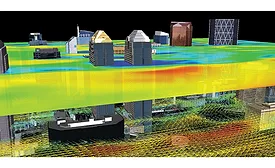
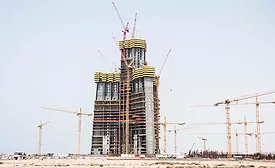
When the framers of the Jeddah Tower—designed to rise higher than 1 kilometer—needed advice on the wind climate about 500 m above the earth’s atmospheric boundary layer, they turned to RWDI Consulting Engineers and Scientists.
After nearly four months of grueling work 50 ft beneath a state beach in Rhode Island, crews have finished drilling a 2,250-ft tunnel for the conduit that will carry power from the 30-MW Block Island wind farm to a National Grid switching station in Narragansett, R.I.
With wind turbine projects in 18 states, renewable energy developer Iberdrola has experienced a wide spectrum of site conditions, but those at its $400-million, 208-MW Amazon Wind Farm US East project are unlike anything the firm has ever encountered.
Dominion Virginia Power has progressed on its plan to build what will be the first wind research turbines in U.S. waters by breaking the project’s EPC contract into four smaller packages, utility officials said on April 7.
Construction of 2,000 megawatts of wind power off Massachusetts’ shores could cut the current price in half, according to a new study released by the University of Delaware’s Special Initiative on Offshore Wind.
Notable news items include Nevada’s thriving renewable energy industry, New Mexico’s $74M settlement with the US Department of Energy, and the passing of solar and wind tax incentives.
Propelled by powerful and complementary forces, the U.S. renewables market is in the early stages of a multiyear period of sustained development and construction activity that may come to be viewed as the golden age of wind and solar power.