The demise of TransCanada Corp.’s $12.5-billion Energy East pipeline has put another dent in Canada’s ambitious infrastructure plans, but the void may get filled with other large, albeit controversial, energy projects.
While expected to favor fossil fuels, the relatively neutral study embraces the generally accepted fact that natural gas is forcing coal and nuclear plant retirements.
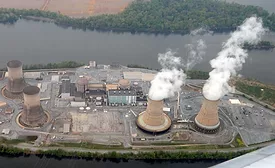
Without help from the state or federal governments, the money-losing Three Mile Island will join a growing list of nuclear plants slated for closure since 2013.
Officials in Maryland paved the way last week for what they are calling the nation’s first large-scale offshore wind projects. The Maryland Public Service Commission granted offshore wind renewable energy credits, otherwise known as ORECs, to two proposed wind projects with a combined value of $2.09 billion.
In an executive order issued on March 28, the Trump administration is trying to make it easier to develop traditional energy resources by reducing environmental requirements on coal, nuclear, oil and natural gas, but whether it will stop the shift toward emission-free renewable energy is in doubt.