But will added taxpayer funds for new, reopened and upgraded coal power plants be enough to meet growing energy demand, attract private investors and users and reinvigorate a long ailing segment?
Proposed revisions to effluent limitations guidelines tied to grid reliability and AI-driven power demand could alter planning for environmental infrastructure projects
EPA’s proposed coal wastewater rule overhaul could reshape compliance work and environmental infrastructure planning as utilities reassess projects amid regulatory uncertainty and shifting grid demands.
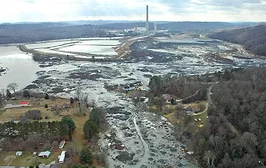
Changes aim to curtail scope of legacy ash storage site cleanups, allow states to set more site-specific standards and alter rules for “beneficial" use in manufacturing materials such as cement and drywall.
State disputes claimed regional power supply gap—saying the barely functional early 1970s plant, now ordered to operate through June 14, awaits a planned $600M conversion to natural gas—while legal action also is likely for aging Colorado plant ordered to operate.
Agency reverts to old emissions rules in administration push to keep aging coal plants on line by power producers such as TVA; in supplying more energy to US military bases; and through "emergency" federal operating orders facility owners say are unneeded.
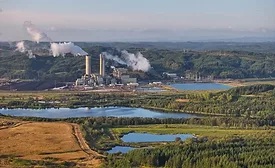
US Energy Dept. directive comes as the 730-MW facility is to shut down Dec. 31 and has a $600M makeover to natural gas set and a client supply agreement signed
The budget bill signed by President Donald Trump on July 4 and a more recent executive order slash renewable energy credits in favor of coal, gas and nuclear support, triggering expected sector upheaval and backlash over jobs, costs and climate progress.
Draft proposed rule, particularly aimed at coal-fired plants, is part of the government intent to stop facility retirements and boost the sector's fortunes under the Trump energy agenda, which also calls for possibly building new nuclear reactors without approval from the US Nuclear Regulatory
Commission.
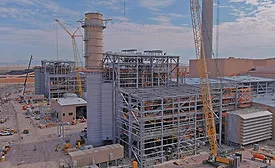
Utah's multibillion-dollar IPP Renewed project is adding a pair of cleaner hydrogen-fueled turbines as coal-fired units at the power plant approach retirement.

.webp?height=168&t=1752360322&width=275 "Trump-Energy-Policy-Pivot-(2)")