Items Tagged with 'Congress'
ARTICLES
News Analysis
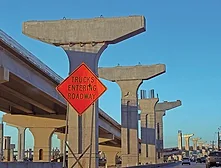
Grant Certainty Emerges as New Fault Line in Transportation Bill Talks
Senate Democrats seek stronger protections after funding freezes hit major projects
Read More

Environmental Response
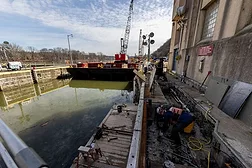
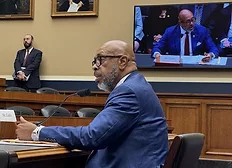
DC Agency Chief Defends Pre-Sewage Spill Maintenance, But System Repair Is Far from Over
DC Water CEO is grilled in May 20 House hearing on early 2026 release of 240 million+ gallons of untreated waste into Potomac River, and developing consequences
Read More
Government
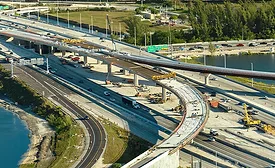
House Lays Out Multiyear Transportation Funding Plans in BUILD America 250
The $580-billion proposal emphasizes formula funding and long-term certainty, even as portions remain tied to future appropriations
Read More


Federal Review
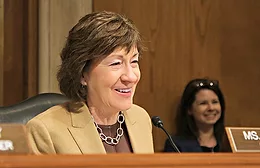
Injunction Stops White House Ballroom at Start of Vertical Construction
Judge finds no statutory authority for $400-million project, disrupting build as federal approval vote is days away
Read More
Federal Funding
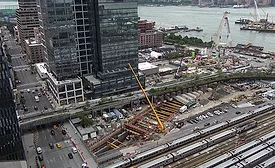
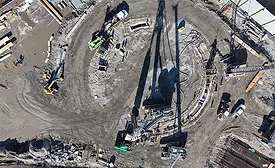
Gateway Project Officials Sue Feds Over $16B Hudson Tunnel Funding Freeze
Project could be forced to pause if funding is not restored by Feb. 6
Read More

Government
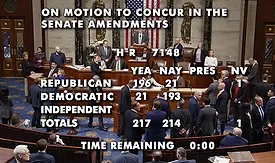
House Votes to End Partial Government Shutdown, With Homeland Security Funding Still Unresolved
FEMA funding is entangled in fight over DHS budget
Read More
Federal Funding
Federal Funding Freeze Threatens to Halt $16B Hudson Tunnel Project
Civil work and tunneling preparations are at risk
Read More