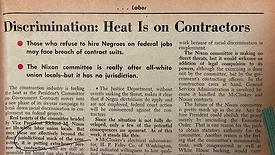
The structure of the U.S. construction industry in 1960 could be compared to a stone-walled bastion. Union locals had ironclad control over their recruitment process, which was steeped in nepotism and cronyism.
Acelab, a materials and construction products startup with $13 million in funding has released Materials Hub, an artificial intelligence-powered repository that allows architects and designers to discover, evaluate and specify building materials.
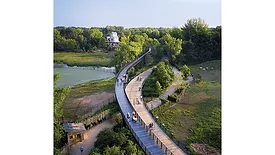
The Minnesota Zoo’s overhead monorail was decommissioned in 2013, but the rails installed in 1979 remained as a relic of a bygone era of overhead transportation—until BARR Engineering and Snow Kreilich Architects reimagined the route as the Treetop Trail.
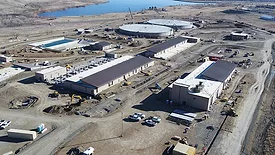
A mix of creative problem solving, careful planning and lean management were key in delivering Denver’s newest drinking water treatment plant on time, under budget and without lost time safety incidents, said its project team.
Sitting vacant for decades, the Endicott Johnson Victory Shoe Factory had deteriorated into an eyesore before the team returned it to a symbol of local pride and prosperity.
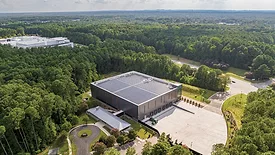
Building a climate-controlled warehouse and logistics facility for United Therapeutics in North Carolina’s Research Triangle was a matter of power management and careful planning.
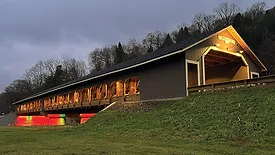
Reconstruction of the 1940s-era Spellacy covered bridge—one of America’s largest at 300 ft long and 24 ft wide—had a small price tag of $9.5 million but delivered a big impact.
At the outset of a 1.6-mile, multimillion-dollar Phase II light rail extension project in Phoenix, representatives from project owner Valley Metro Rail, Kiewit-McCarthy, Jacobs and other consultants convened to brainstorm value engineering ideas.
 RSS
RSS