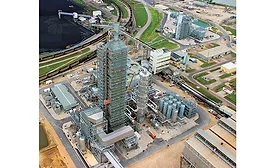
Under some scenarios, a new Trump administration proposal to reduce carbon emissions from power plants could curtail the construction of new natural gas combined-cycle power plants by as much as 30% and increase the use of existing coal plants by 13%, according to the Environmental Protection Agency’s own regulatory impact analysis on its proposal, the Affordable Clean Energy (ACE) rule.
Strengthening the transmission and distribution grid, increasing distributed generation and even trimming vegetation would likely do more to improve grid resilience than a proposed draft order from the Trump administration that would force system operators to keep coal and nuclear plants operating for at least two years.
Seeking to realize President Trump’s vision of “beautiful, clean coal,” the Dept. of Energy is investing $61.6 million in 13 projects for cost-shared research and development of current and advanced carbon-capture technologies.
This year, seven major new-
construction fires at four- to six-story wood-framed residential sites caused property loss exceeding $400
million, says the National Fire Protection Association.
Investments in transmission and distribution infrastructure would be a better way to make the electric grid more resilient and reliable, representatives of a variety of energy interests told the House Energy and Commerce Committee’s energy subcommittee at recent hearings.
While expected to favor fossil fuels, the relatively neutral study embraces the generally accepted fact that natural gas is forcing coal and nuclear plant retirements.
There is a long list of issues associated with formal requests for information (RFI), but leveraging technology to shorten that list has proved to be difficult.