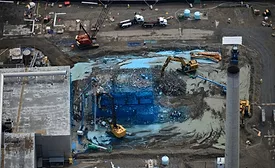
As demolition continued on the Hanford Plutonium Finishing Plant on June 8, one of the two dozen air monitoring stations positioned around the site sounded an alarm after detecting low levels of contamination.
The collapse of a tunnel containing radioactive waste dealt another setback to the multibillion-dollar cleanup of the Hanford nuclear waste site in Washington state.
As crews from CH2M Hill Plateau Remediation Co. tear down the four main buildings that make up the Plutonium Finishing Plant (PFP) at the Dept. of Energy’s Hanford Nuclear Waste Site in southeastern Washington state, removal of contaminated buildings at one of the nation’s most radioactive sites nears key milestones en route to a full demolition later this year.
Even as crews work to solve engineering quandaries associated with building the Hanford Waste Treatment and Immobilization Plant project in southeast Washington at the Dept. of Energy’s Hanford Nuclear Waste Site, work continues on tearing out the old facilities.
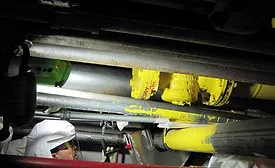
As work moves forward on the Hanford Waste Treatment and Immobilization Plant (WTP) at the Dept. of Energy’s Hanford Nuclear Waste Site in southeastern Washington, crews have started the final stage of testing intended to resolve one of the remaining technical issues on the project.
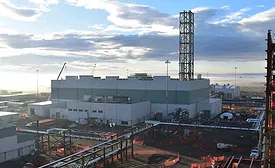
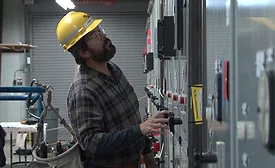
The presence of power marks a significant milestone in the creation of a major new structure at the U.S. Dept. of Energy’s Waste Treatment and Immobilization Plant at the Hanford Nuclear Waste Site in southeast Washington state.
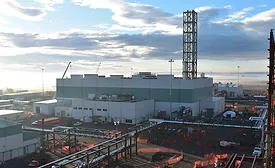
As Bechtel and URS build the world’s largest vitrification facility to safely dispose of nearly 56 million gallons of liquid and semisolid nuclear and chemical waste at the U.S. Department of Energy’s Hanford Site in southeastern Washington State they have created a way to let visitors in on the process.
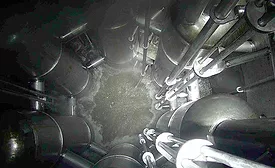
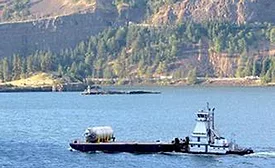
As the Hanford Vit Plant in southeastern Washington prepares to vitrify 56 million gallons of radioactive waste, the plant gets an assist from a new vessel to help test the process.