For Anthony Jones, 46, a Gulf War veteran and apprentice craftworker based in Flint, the work that he does—pulling out lead service lines to homes—is personal.
Michigan unveiled a plan to push pipe replacement and toughen state drinking-water rules, but Congress adjourned without passing a federal-aid package and participants in the city’s unfolding saga traded blame at heated Washington hearings.
Awareness of antiquated drinking-water systems’ potential to fail on a number of levels is at an all-time high as critics excoriate the Michigan Dept. of Environmental Quality, state Gov. Rick Snyder (R) and the U.S. Environmental Protection Agency for their roles in the devastating water crisis in Flint, Mich.
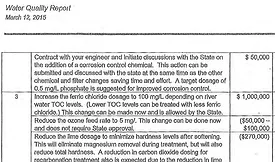
A report completed last March for Flint, Mich.’s emergency manager contained recommendations to inhibit pipe corrosion, which has been blamed for high levels of lead in the city’s water supply.
We’ve just witnessed a massive public health disaster in which the residents of Flint, Mich., including every one of 8,000 children, have been exposed to lead in the city’s drinking water.