Government
US Nuclear Agency Proposes to Expedite Nuclear Facility Construction Approaches
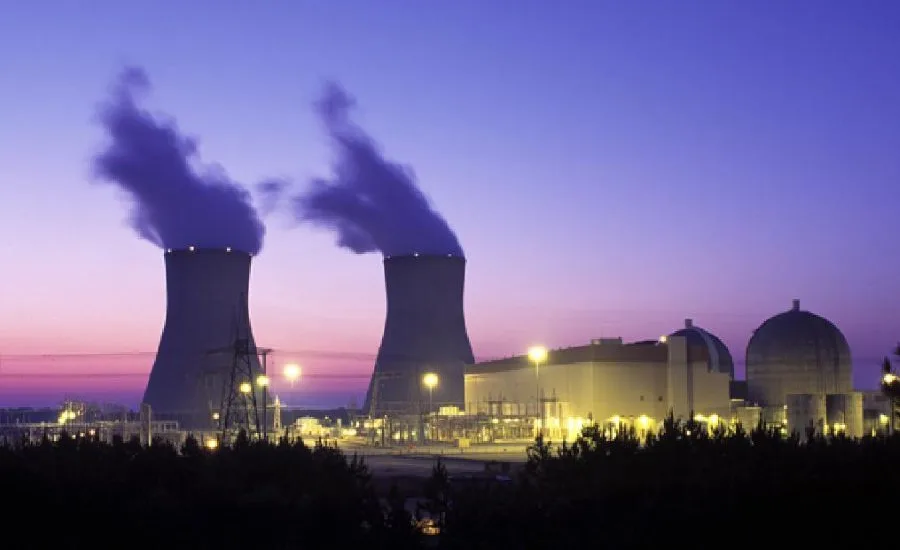
Construction of nuclear power plants, most recently the Vogtle facility near Waynesboro, Ga., can take decades to complete. Building of that facility's first units began in the 1970s, but work did not finish on all units until 2024. The U.S. Nuclear Regulatory Commission aims to expedite work planned for future projects,
Since July 1, the U.S. Nuclear Regulatory Commission has announced a slew of proposals its officials say will advance the federal agency agenda to revamp requirements to permit, license, site and construct new nuclear power plants. as well as to modernize public health protections and reduce the scope of environmental reviews.
The three proposed rules announced between July 1 and July 8—if enacted—would enable construction to begin sooner on the plants and allow more flexibility in assessing risks associated with nuclear facilities.
The proposals are part of the broader commission effort to modernize regulations, reduce burdens on industry and ensure requirements remain aligned with current science and operational experience while maintaining public safety, the agency said in a press release. Many suggested approaches for designing and building nuclear power plants while still addressing public safety concerns have circulated for years and are in lockstep with Trump administration priorities.
One proposal would allow preliminary construction and sitework for the facilities to begin earlier, focusing oversight on components most likely to be associated with safety issues. The proposed rule also would allow project applicants and licensees to base decisions using more flexible risk-informed approaches compared to traditional requirements in performing safety and risk analyses.
The 550-page proposed rule represents the commission’s most comprehensive update to nuclear power plant licensing in decades, said Chairman Ho K. Nieh in a statement. “NRC’s regulations have not kept pace with new technologies and our energy needs,” he said, adding that the proposal “strips out rigid frameworks … to accelerate the safe deployment of new reactors and expand existing capacity across America.”
A proposal announced July 8 would limit the scope of environmental reviews and include condensed timelines for completion and more latitude for categorical exclusions as seen in the U.S. Environmental Protection Agency’s changes to the review process under the National Environmental Policy Act announced in late June, and by other federal agencies over the past year.
The commissio's third proposal would update radiation protection regulations to maintain existing limits on the amounts of "dose limits"—the amount of radiation safely absorbed by workers and the public, while reducing what the agency describes as “unnecessary regulatory burden” and “modernizing requirements to reflect current science and decades of operating experience.”
Looking for quick answers on construction and engineering topics?
Try Ask ENR, our new smart AI search tool.
Ask ENR →
Rule Changes Could Backfire, says Safety Advocate
Public safety advocate Ed Lyman, director of nuclear power safety at the Union of Concerned Scientists, warns that a shift toward more flexibility in basing design and other decisions could backfire.
“The general trend [at the NRC] is replacing ... prescriptive requirements with what they call risk-informed requirements, which by and large means depending more on the outcome of probabilistic risk assessments and less on the kind of deterministic criteria that are clear and understandable—replacing them with much more uncertain numerical calculations of risk,” he told ENR.
Lyman added that the NRC has been allowing more construction work to take place before permitting occurs, and the construction-related proposal could “open the door for much more construction of what one would normally think is the structure of the actual reactor.”
Judi Greenwald, president and CEO of the non-partisan Nuclear Innovation Alliance, said the nonprofit is still reviewing the rules, including the proposal most related to construction. “The rule encompasses much more than we originally expected,” she said in an email. Areas of particular interest include the alternative performance-based approach to risk, as well as “more efficient construction, license renewal, and early site permits."
Greenwald notes that what the nuclear industry needs most of all is certainty. Different administrations with different priorities come and go, but nuclear power plants can take years to build and are long-term assets.
“Regulatory whipsawing can hinder new nuclear investment and development by creating uncertainty," she said In a blog post earlier this year. "Spending time repeatedly revising regulations is a distraction from licensing early mover reactors, which can continue to be licensed under existing regulations, as long as the rules are implemented efficiently and flexibly.”
The current group of rules will be open for public comment for 45 days after publication in the Federal Register.