Zurich Resilience Solutions is a global leader in risk engineering and advisory services. We help companies reduce risk, improve performance and protect people, operations and critical assets in today’s world of volatility.

The Future of Risk in Construction
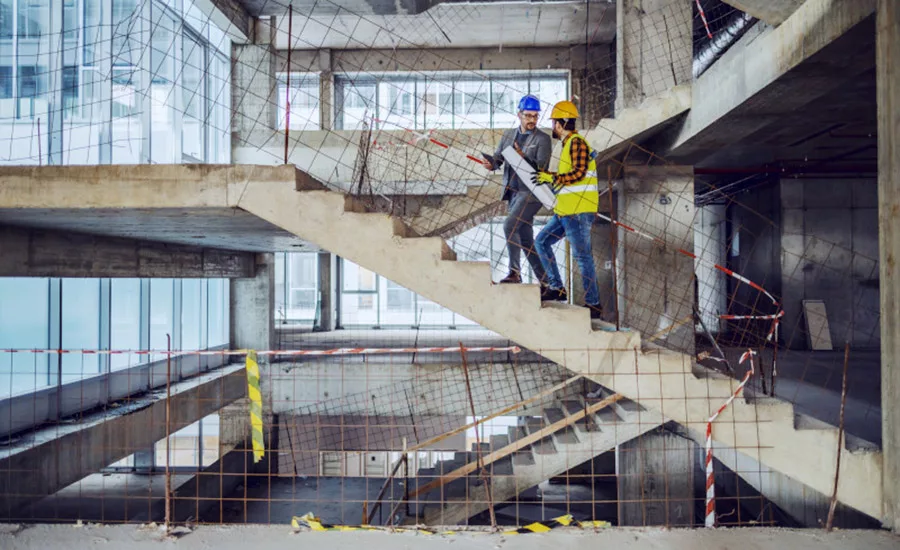
The construction industry is experiencing a period of unprecedented transformation. As established hazards persist and new threats emerge, stakeholders across the sector are challenged to balance project delivery, profitability and comprehensive risk management. Today, the success of any construction project is increasingly defined by how risks are identified, managed and mitigated—not just by technical expertise or operational efficiency.
A holistic construction risk management strategy integrates planning across all business lines and project phases, treating risks as interconnected rather than isolated. This approach helps identify risks early and addresses project, program and enterprise-level risks, including environmental, health, safety, supply chain and regulatory factors. The result—fewer disruptions, cost savings, improved safety, continuous improvement and better project outcomes.
Risk and Reward: Building With Foresight
Every construction project is a complex ecosystem. From macroeconomic factors and site-specific variables to industry trends and evolving regulations, risk is ever-present. Recognizing and addressing these risks from the outset is essential. A robust risk management process begins with a thorough assessment—measuring potential scenarios, planning mitigation strategies and establishing clear response and recovery protocols.
Leadership teams must actively engage employees, while project stakeholders benefit from enlisting expert guidance to drive insights and support positive change. A comprehensive risk management strategy is built on three core pillars:
- Prioritizing safety: Ensuring the well-being of people and assets across all phases.
- Minimizing losses: Reducing the frequency and impact of disruptive events.
- Maximizing efficiency: Streamlining operations for reliable and timely project delivery.
Construction Risk Trends—A Dynamic and Evolving Landscape
While the foundations of construction remain solid, the risk landscape is shifting rapidly. Core materials and practices have been refined over decades, but environmental changes and technological advancements are continuously reshaping how risk is understood and managed.
Maintaining focus on wide-ranging risks presents a challenge of its own. Risk exposures can range from:
Workplace Health and Safety
Workplace health and safety remains a major concern. Accidents, injuries, mental health issues and compliance failures can reduce productivity, increase absenteeism and raise turnover rates. Noncompliance can result in costly rework, legal penalties and reputation damage. The adoption of ergonomic equipment, personal protection gear and mental health support is increasingly recognized as essential for safe and productive sites.
Labor and Skills Gaps
Every construction business relies on a skilled and experienced workforce. Today, the industry faces significant labor and skills gaps, from a shortage of qualified trade professionals to an aging workforce and declining interest in certain trades. These gaps result in project delays, cost overruns and increased accident rates. Unaddressed, they can grow over time, affecting safety, legal compliance and reputation.
Extreme Weather and Regulatory Pressures
The global impacts of extreme weather are increasingly evident. Floods, wildfires, storms and heatwaves are not only more frequent but also more severe, threatening to halt work, damage structures and render sites unsafe. Beyond the immediate disruptions, these events contribute to material shortages and supply chain interruptions, often leading to project delays and budget overruns.
At the same time, the regulatory environment is growing more complex. New rules are redefining building codes, increasing reporting requirements and raising insurance costs. Construction companies must navigate a growing array of compliance obligations, adding complexity to every stage of the project lifecycle.
Supply Chain Complexity
Modern construction depends on a robust global supply chain. The distribution of building supplies, equipment and tools is a logistical feat—one increasingly challenged by geopolitical tensions, inflation and evolving market dynamics. Supply chain delays and bottlenecks drive up shipping costs, cause material shortages and jeopardize client relationships. Regardless of the initial cause, disruptions threaten business continuity, which is the foundation of every successful build.
Technological Transformation and Cyber Risk
Recent years have seen a surge in construction-based technologies, from Building Information Modeling (BIM) and digital design tools to artificial intelligence (AI) and robotics. These innovations have greatly improved cohesion, efficiency and productivity throughout the building lifecycle. However, digitization is a double-edged sword. New technologies can make existing tools and methods obsolete, demanding ongoing investment in training and upgrades.
Cybersecurity threats pose a direct and growing risk. A single incident can cause significant financial losses, legal liabilities and reputational damage. As construction companies become more reliant on digital tools and connected devices, protecting data and maintaining secure operations is paramount.
Regulatory Complexity
Construction companies operate in a constantly evolving regulatory environment. Changes in building codes, environmental standards and safety requirements demand continuous adaptation. Procedural changes, certification and training requirements increase operational costs and the risk of errors. Increased scrutiny from investors and stakeholders means that compliance is no longer just a box to check—it is central to reputation and long-term success.
A Holistic Approach to Construction Risk Management
Against this backdrop, a holistic construction risk management strategy is more important than ever. Such a strategy integrates planning across all business lines and project phases, treating risks as interconnected rather than isolated. By embedding risk awareness into organizational culture and leveraging data-driven insights, companies enable proactive identification, cross-functional collaboration and continuous monitoring.
This approach addresses project, program and enterprise-level risks, including supply chain and regulatory factors—ensuring resilience, minimizing disruptions and driving long-term success that goes far beyond insurance or compliance.
Strategic Solutions: Zurich Resilience Solutions
To thrive in this environment, construction companies need agile, integrated risk solutions. Zurich Resilience Solutions offers comprehensive risk management services and technical, industry-specialist risk engineers who help organizations navigate uncertainty and drive positive results.
Construction Exposures and Solutions
Protecting people within the construction sector begins with robust workplace safety protocols. Establishing clear guidelines, procedures and standards is essential to creating a safe and healthy environment for every employee. In addition to physical safety, attention to mental health is increasingly vital. Implementing mental health programs supports overall well-being and productivity, while also reducing the risk of accidents that may arise from fatigue or stress. Education and training initiatives further reinforce safety by ensuring workers receive up-to-date lessons in compliance, certification standards and consultation support, empowering teams to act confidently and knowledgeably on site.
When it comes to protecting property and materials, thorough site safety reviews play a key role. These assessments help identify potential vulnerabilities and allow for swift corrective actions to be put in place. To safeguard critical operations, supply chain continuity support is necessary, especially in the face of natural disasters, cyberattacks or geopolitical risks that could disrupt business. Proactive planning for water and fire damage is also critical, as it helps minimize downtime and business disruption, ensuring that projects stay on track and repairs or maintenance efforts are efficiently managed.
Protecting equipment and machinery requires an integrated approach. Regular fleet and asset management—including scheduled reviews, maintenance and compliance updates—keeps machinery reliable and safe throughout the project lifecycle. As the industry becomes more digitized, cybersecurity reviews are essential for limiting the impact of potential attacks and supporting effective response and recovery. Equipment analysis also contributes to operational resilience, as reviewing the age and condition of assets helps optimize performance, reduce the risk of breakdowns and extend the lifespan of valuable tools and machinery.
Finally, protecting capital involves several interconnected strategies. Liability risk analysis is crucial for navigating evolving contractual models and risk-sharing agreements, helping construction companies avoid legal pitfalls and financial setbacks. Financial health monitoring ensures that businesses remain compliant and are able to sidestep penalties, while compliance assessment helps prevent non-compliance and supports operational continuity across all aspects of the organization. By taking these comprehensive measures, construction businesses can strengthen their defenses and build a resilient foundation for long-term success.
Why Contractors Look to Zurich Resilience Solutions
Contractors choose Zurich Resilience Solutions because we deliver deep technical, yet practical, industry expertise and forward-looking support that helps them manage risk confidently at every step.
- Expert Risk Engineers: Degreed engineering specialists work alongside client teams, bringing deep industry knowledge and innovative tools to identify, quantify and mitigate risks at every stage.
- Data-Driven Insights: Leveraging advanced analytics, Zurich Resilience Solutions helps clients anticipate trends, optimize processes and enhance decision-making.
- Culture of Risk Awareness: By embedding risk management into organizational culture, Zurich Resilience Solutions enables companies to stay agile, resilient and prepared for future challenges.
- End-to-End Support: From initial assessment to ongoing monitoring, we offer continuous guidance, ensuring companies stay compliant and confident.
Opportunities Ahead: Building a Brighter, Safer Future
Despite the challenges, the future of construction holds tremendous promise. New technologies, sustainable practices and smarter risk management are driving greater efficiency, safety and value. Companies that prioritize resilience and embrace innovation will be better equipped to navigate uncertainty and seize new opportunities.
Zurich Resilience Solutions empowers construction companies to address today’s challenges and prepare for tomorrow’s risks—reducing exposure, improving safety, and building the talent and processes needed for long-term success. By fostering a holistic, data-driven and collaborative approach, ZRS helps clients build not just projects, but brighter futures for their organizations and communities.
Zurich Resilience Solutions helps customers build resilience and long-term success beyond insurance or compliance; we work with customers insured by Zurich as well as independent of risk transfer.
Learn more about how Zurich Resilience Solutions helps construction customers and the wider industry manage and reduce risk.
By Doug Stohlman
Vice President - Head of Construction Risk Engineering, Zurich Resilience Solutions