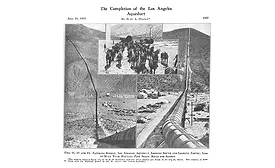
Access to water played a critical role in the development of Los Angeles into one of the country’s largest cities. In 1900, it covered 61 square miles and had 102,000 residents.
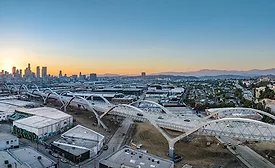
A workhorse with showhorse trappings as well, the $289-million Sixth Street Viaduct in Los Angeles features a series of technical innovations that sets a new threshold for seismic safety.
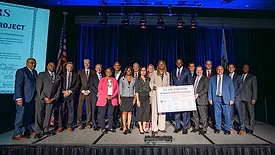
Phil Washington grew up on the South Side of Chicago in public housing with a single mom caring for a family of six. “The people building infrastructure in my community did not look like me,” he says. “I wondered, ‘Why can’t I get a job helping to build my own community?’”
Considering that Richard “Dick” McLane “fell into engineering,” it seems appropriate that he ends up digging deeply into a project both literally and figuratively.
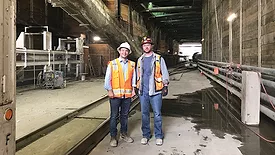
Tunneling through an urban environment like that of Los Angeles is complex enough. Add to that a medley of poor soils (including tar pits); a variety of dangerous gases; and two seismic faults and it becomes a task that until not so long ago was impossible.
California agencies with tens of billions of dollars of construction joined more than 40 other groups in a movement to drive contracting opportunities for historically underutilized businesses.