2025 Mountain States Best Projects
Best Water/Environment: Wellington Water Treatment Plant Expansion
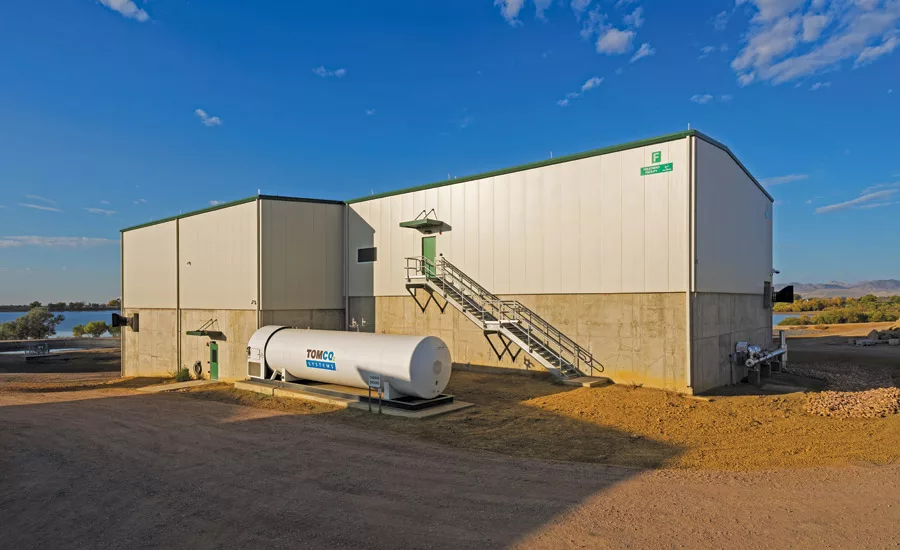
Wellington Water Treatment Plant Expansion
Wellington, Colo.
BEST PROJECT
Submitted by Hensel Phelps
Owner Town of Wellington
Lead Design Firm & Structural/Civil/MEP Engineer Jacobs Engineering
General Contractor Hensel Phelps
Between 2010 and 2020, the town of Wellington saw its population explode by 75%, resulting in a significant strain on its 1984-era water treatment plant’s 2-million-gallon-per-day capacity. The expansion doubled treatment capacity to 4.2 mgd, with the potential to grow to 6.9 mgd in a future build-out.
This effort required tying into a 40-year-old water treatment plant while constructing a new one with 6,500 linear ft of buried piping, while at the same time keeping the former plant fully operational. Scope also included a 1,998-sq-ft ozone facility with a novel, prefiltration ozone injection and quenching system.
The ozone injection system is a newer water treatment process in Colorado. Since the town’s original water source is a shallow reservoir with limited flow, changes in temperature would cause algae to form, creating difficulties in removing the total organic compounds that often cause a foul odor or taste in drinking water.
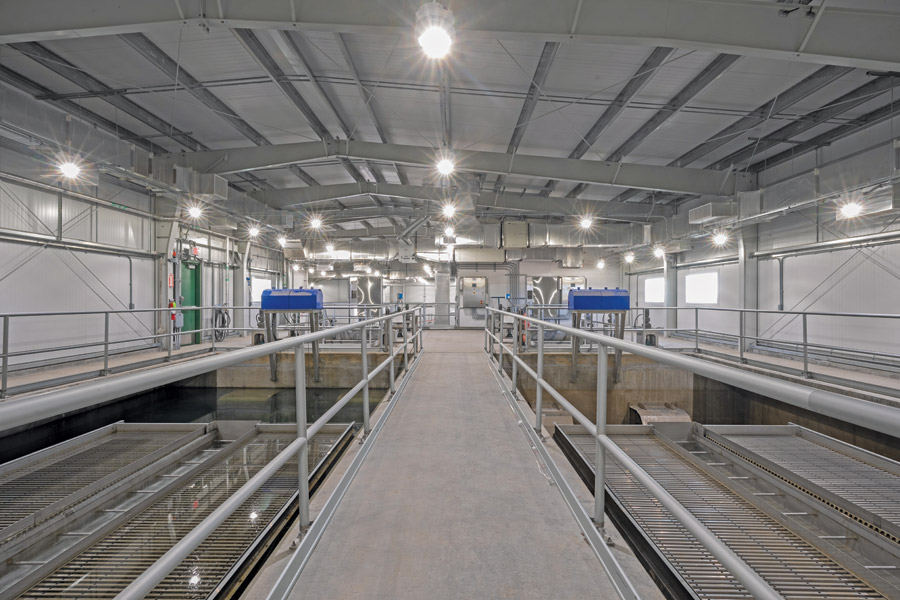
Photo courtesy Fusebox Studio
The process includes two ozone generators and a liquid oxygen tank with two liquid-oxygen to gaseous-oxygen vaporizers, which combine to eliminate taste and odor issues, successfully addressing one of the community’s greatest concerns.
One of the expansion’s main funding sources is the state revolving fund, which has an American iron and steel provision. However, the requirements for American-made iron and steel affected overall construction sequencing due to the fact that material lead times were estimated at around nine months.
To keep the project moving, the contractor resequenced work to start in the middle of the main structure. This allowed the team to find enough piping to cover the limited amount needed in other sections of the treatment building and then relocate some of the under-slab pipe sections that were not previously installed.
By cutting the building in half, crews could build enough of the middle portion to proceed with construction on the upper section while waiting for additional piping to arrive. This strategy enabled this 2.5-year project to be completed on time in October 2024 with no interruptions to the water utility service while also returning $748,000 in savings to the owner.
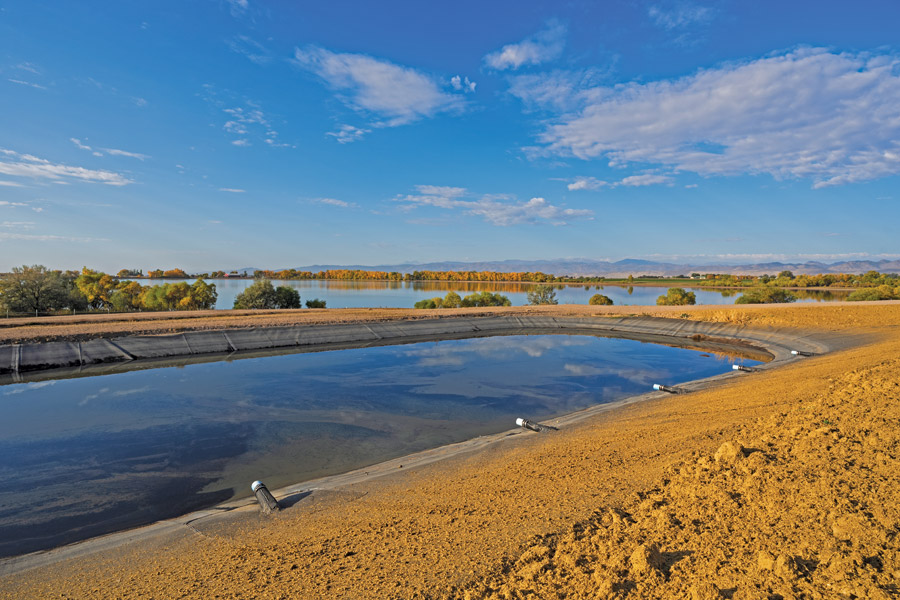
Photo courtesy Fusebox Studio
Another major challenge included integrating the town’s existing control system into not only the brand new SCADA system but also the complex ozone system controls in the ozone building.
The team took a proactive approach, implementing this integration process about one year into the project by meeting regularly with the owner, the town’s operators, the ozone supplier and Hensel Phelps’ own team of building system integrators.
Locating utilities for this 8.5-acre project site proved challenging due to inconsistent as-built drawings and the inability of public/private locators to track down legacy utilities.
To ensure each team member went home safely over nearly 912 nights spent on this project, Hensel Phelps implemented a heightened excavation permit process involving a combination of locates, potholing, scoping and coordination with the owner and surrounding private entities to confirm or identify unknown utilities. Utility maps were continually updated to create more comprehensive town records.