Government
Trump Administration Sets Alaska Refuge Drilling Plan, Advances Road Projects
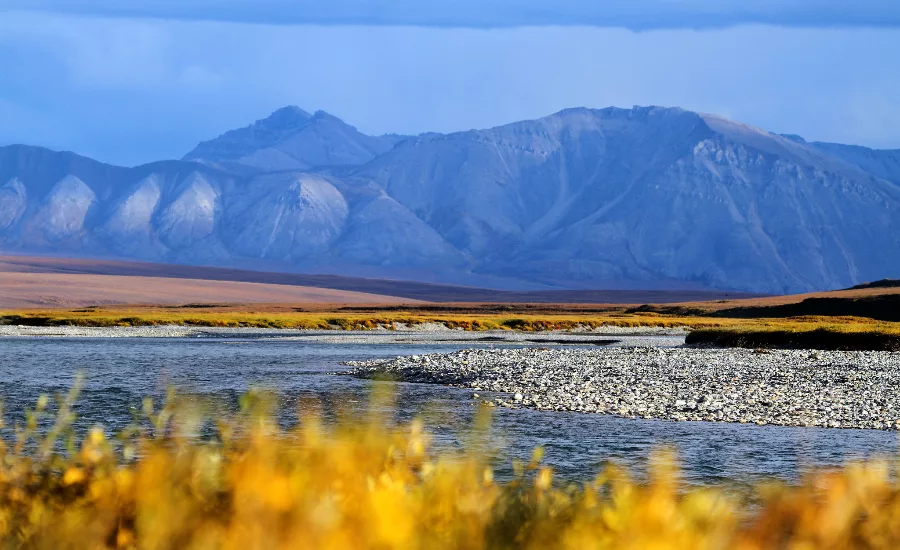
The Dept. of the Interior record of decision sets 1.56 million acres of the Arctic National Wildlife Refuge available for the Coastal Plain Oil and Gas Leasing Program. Congress has directed the department hold at least four lease sales in the next decade.
The Trump administration is opening 1.56 million acres of Alaska’s Arctic National Wildlife Refuge for oil and gas leasing, the U.S. Dept. of the Interior announced Oct. 23. Interior officials say the move fulfills directives from President Donald Trump to develop liquefied natural gas and other resources in Alaska, but environmental advocates criticized the large-scale program impacting pristine wilderness.
The new record of decision, which replaces another that was signed under the Biden administration last year, makes the full Coastal Plain program area available for lease with the fewest stipulations. Interior Dept. officials estimate surface development would occur on 2,000 acres. The tax and spending package Trump signed in July directs the Interior secretary to hold at least four lease sales within 10 years.
“By reopening the Coastal Plain and advancing key infrastructure, we are strengthening energy independence, creating jobs and supporting Alaska’s communities while driving economic growth across the state,” Interior Secretary Doug Burgum said in a statement.
Interior is also restoring leases to the Alaska Industrial Development and Export Authority that were issued during the first Trump administration and canceled under the Biden administration. Earlier this year, a federal judge ruled that the Biden administration lacked authority to cancel the leases.
Environmental advocates decried the action, and raised questions about the plan’s viability after another lease sale that occurred late in the Biden administration drew no bids, although drilling proponents at the time said the auction had been too constrictive to be worthwhile. “These decisions are reckless, not economically viable and will hurt Alaska Native communities, their way of life and Alaska’s wildlife,” said America Fitzpatrick, conservation program director at the League of Conservation Voters, in a statement.
 Map courtesy U.S. Dept. of the Interior
The refuge’s Coastal Plain is also a sacred area to the Gwich’in Nation, according to advocacy group Earthjustice. The group also raised concerns about the impacts drilling would have on the local environment, as well as the climate in general.
“Expanding oil drilling in the Arctic threatens irreplaceable wildlife and cultural traditions that exist nowhere else in the world,” Earthjustice attorney Erik Grafe said in a statement. “It worsens the climate crisis and undermines energy security by seeking to lock in reliance on fossil fuels.”
Another group, Voice of the Arctic Iñupiat, said it supports the drilling plan. Nathan Gordon Jr., the major of Kaktovik, a community located within the wildlife refuge, joined Voice in celebrating the administration’s decision.
“Taxation of development infrastructure in our region funds essential services across the North Slope, including water and sewer systems to clinics, roads and first responders,” Gordon said in a statement.
Road Projects
In addition to the drilling decision, Burgum announced a land swap with The King Cove Corp., an Alaska Native group, and advancement of permits for the planned Ambler Road.
In the land exchange, the U.S. is turning over about 484 acres of the Izembek National Wildlife Refuge to King Cove for construction of a two-way, single-lane gravel road connecting to Cold Bay, another community with an all-weather airport.
Plans to build the 211-mile Ambler Road for private access to mining claims are also advancing. After Trump approved an appeal earlier this month and directed permitting agencies to issue the needed authorizations, Burgum said Interior’s Bureau of Land Management and the National Park Service reissued right-of-way permits for the project. The department also conveyed 23,600 acres to Alaska to support the project.
The U.S. Army Corps of Engineers is also moving to reinstate all necessary permits for Ambler Road, it announced Oct. 23. Assistant Secretary of the Army for Civil Works Adam Telle said in a statement that the Corps is “moving out swiftly.”