Tishman May Face Jury Trial Over Liability in Sisters’ Deaths
Appeal is possible in case involving AECOM construction unit
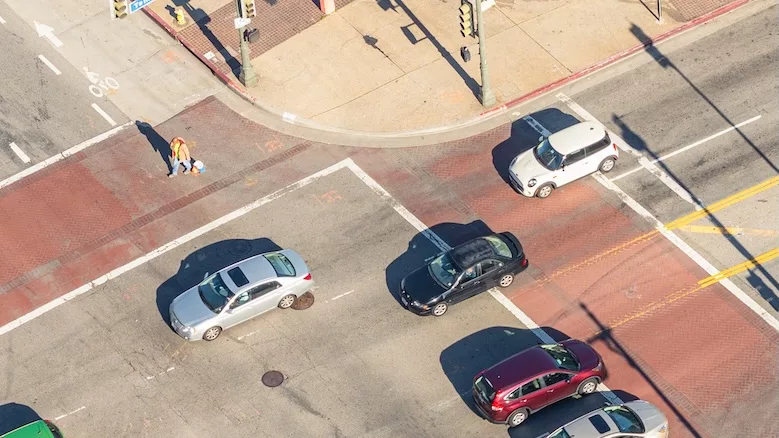
Photo: GeorgeClerk/Getty Images
Construction manager Tishman faces a possible jury trial in California state court over a 2019 accident involving a dump truck making trips related to an apartment and hotel project in downtown Los Angeles that struck and killed two sisters at an intersection.
The truck driver, working for another company, made a right turn and killed Marlene and Amy Lorenzo, 14 and 12 years old, as they walked to school.
The accident occurred in the early phases of work involving excavation for The Grand LA, a large dual-tower development. The sisters' parents, Francisco Lorenzo and Angelina Nicolas, sued the city, the school district and companies involved in the project for wrongful death, including developer Core/Related Grand Ave and.general contractor Tishman Construction Corp. of California.
After winning a summary judgment from a trial court judge who determined that Core/Related and Tishman had no duty of care in the truck accident, the parents prevailed in a state appeals court decision in March. The three-judge panel sent the case back to the trial court and a possible jury trial.
A critical factor in the case is that the staging area for some project trucks had not been properly licensed by the city, according to the appeals court decision.
Two defense attorneys who frequently represent employers but have no connection to the case wrote that the appeals court expanded the idea of liability beyond reasonable limits.
Attorneys of law firm Hanson Bridgett in an April website post criticized the majority decision as an overreach that expanded liability to high-tier project participants for an offsite accident and diverged from typical onsite liability norms. The law firm agreed with the dissent in the 2-1 appeals court decision, arguing that truck routes posed risks regardless of staging and suggested practical measures such as enhanced insurance and subcontractor oversight.
Hanson Bridgett attorneys anticipated a possible California Supreme Court review due to the ruling’s implications.

Numerous subcontracting tiers separated the developer and general contractor from the dump truck driver in Lorenzo v. Calex Engineering. Graphic courtesy of Hanson Bridgett
Sewar K. Sunnaa, an associate at the firm, says "Given the breadth of the court’s ruling in this case, and the implications that such expanded liability can have, we would not be surprised if the defendants found liable challenge this ruling."
A different law firm, Wood, Smith, Henning & Berman, had another point of view and saw the decision as a warning. If the court's decision stands, it potentially redefines the duty of care for contractors, holding them accountable for offsite subcontractor actions when permit violations foreseeably increase public safety risks, its attorneys said.
In a website post last month, they wrote that the appeals court majority used the decision’s reinforcement of state Civil Code section 1714’s broad duty of care to sound a wakeup call for developers. They must adhere to permits to avoid liability for subcontractor actions off-site and make sure they have transparency and safety compliance, firm attorneys said.
In the weeks following the accident, a GoFundMe website created on behalf of the Lorenzo sisters' family raised $36,000 to help with burial expenses for Amy, who remained alive for several weeks before dying.
Neither Tishman parent AECOM, nor its attorney could immediately be reached for comment. The attorney for the Lorenzo family did not return a call for comment.
Prosecutors obtained the conviction of dump truck driver Stanley Randle on two misdemeanor counts of vehicular manslaughter, the appeals court judges wrote. He was employed by Los Morales Trucking, a subcontractor of Commodity Trucking—hired by excavation contractor Calex Engineering--to broker trucks to haul soil from the project site, according to the court decision.
The three-judge panel reached its verdict in Lorenzo v. Calex Engineering Inc. in late March. The Lorenzo family also named Calex Engineering as a defendant.
How The Lorenzo Sisters Died
Randle struck the Lorenzo sisters at about 8 a.m. while driving a 50- to 60-ft-long double bottom dump truck with significant blind spots, the appeals court judges wrote. He was driving the truck from his home to the un-permitted staging area 14 blocks away from The Grand jobsite.
The Lorenzo family argued that the defendants’ use of an un-permitted staging area violated a city permit for onsite staging and allowed trucks to be routed through pedestrian-heavy streets without safety assessments, therefore contributing to the accident.

The GoFundMe page created on behalf of the sisters' family.
The trial court had ruled in favor of Core/Related and Tishman, saying they owed no duty of care, meaning that they were not responsible for the circumstances that led to the girls’ deaths.
The family then appealed the summary judgment.
The two-judge majority of the appellate court found that the defendants did have a duty under California Civil Code section 1714. Unless specific factors used by the state courts allow for an exception, the code section imposes liability for injuries caused by lack of ordinary care.
The court found the harm to the girls was foreseeable and there were increased accident risks because the city’s safety evaluation for the un-permitted staging area was bypassed. In essence, there is a direct connection between the permit violation and the accident because the truck routes sometimes extended to the site of the accident, the majority wrote. It emphasized that the un-permitted staging foreseeably heightened risks by avoiding safety reviews in which the city would have assessed routes and pedestrian safety.
The permit violation was a contributing factor, the judges wrote, and therefore subject to jury trial. The majority also noted that defendants’ misrepresentation of staging plans to the city meant that they had "moral blame," and that the ruling would encourage future permit compliance, preventing harm in other circumstances.
The defendants argued that the accident, 14 blocks from the staging area, was too remote for liability, and that Randle’s negligence was its sole cause. They claimed minimal involvement in the staging decision.
Presiding Justice Frances Rothschild dissented from the other judges and argued that the defendants owed no duty to protect pedestrians from a negligent driver so far from the staging area, saying that the connection was too flimsy. She said that trucks would navigate crowded streets regardless of the staging location, reducing the defendants’ culpability.