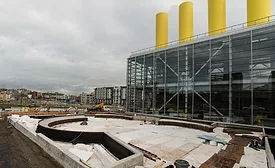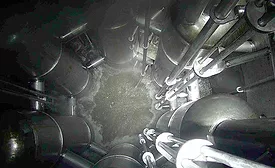
As work moves forward on the Hanford Waste Treatment and Immobilization Plant (WTP) at the Dept. of Energy’s Hanford Nuclear Waste Site in southeastern Washington, crews have started the final stage of testing intended to resolve one of the remaining technical issues on the project.
As stormwater runs aplenty in Seattle, the act of treating that stormwater before it reaches the streams, rivers and lakes that surround the Pacific Northwest city can help create an official salmon safe designation.
The vast majority of 2016 Bertha news has fallen into the positive category, a welcome respite for the $3.1 billion project to replace Seattle’s aging Alaskan Way Viaduct with a 1.7-mile-long bored tunnel.
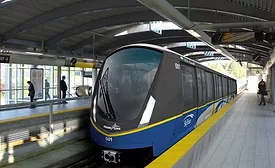
Vancouver, B.C.’s TransLink SkyTrain light rail system added 11 kilometers (6.8 miles) of track this month while announcing planning will start soon on yet another addition to the system.
Many of the Best Project and Award of Merit winners in the latest incarnation of the competition conquer and compliment nature on high-tech and infrastructure projects alike
Home to the Oregon Ducks softball team, the 1,500-seat Jane Sanders Stadium in Eugene, Ore., includes locker rooms, meeting spaces, coaches’ offices, training rooms and equipment space.
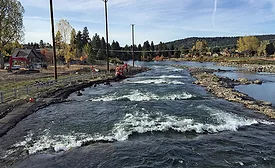
The creation of Bend Whitewater Park rehabilitated a stretch of the Deschutes River in Bend, Ore., creating an improved habitat for fish and wildlife as well as a safer passage for river rafters with the West Coast’s first “adjustable standing wave” kayak/surfing run.
The $11-million upgrade to the Asplund Wastewater Treatment Facility’s disinfection system allowed the Anchorage, Alaska, facility to stop using hauled-in chlorine gas for disinfection and instead use potentially less dangerous sodium hypochlorite to create chlorine gas on demand.
Originally built in the 1980s for industrial use, the historic Ivar’s Pier 54 was deteriorating and in need of seismic improvements following the 2001 Nisqually earthquake and a decade of deferred maintenance.