Regulatory News
New York City Adopts New Energy Conservation and Building Codes
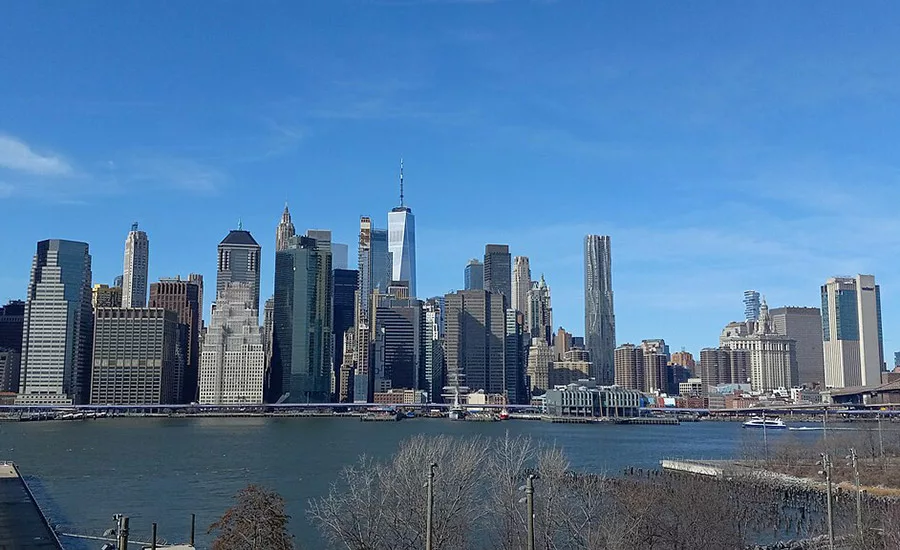
The Mamdani administration released a 112-page report last month detailing a wide range of strategies for increasing the amount of affordable housing in New York City.
New York City has made a major change in its approach to regulating construction and renovations by adopting a new Existing Building Code along with an updated Energy Conservation Code. The move puts its regulations more closely aligned with international model standards and state requirements.
The NYC Existing Building Code is based on the International Existing Building Code and is intended to simplify the city’s regulatory framework while encouraging the preservation and reuse of existing buildings. City officials say the code offers clearer compliance paths for the more than 80,000 alteration applications filed each year and removes barriers to rehabilitation work, thereby improving overall building safety.
At the same time, the city adopted the 2025 NYC Energy Conservation Code, which is based on the 2024 International Energy Conservation Code and reflects New York State’s adoption of the 2025 Energy Conservation Construction Code.
Key provisions of the updated energy code include mandatory air-leakage testing for all buildings, enhanced requirements for backup electric heating systems to improve resilience during extreme weather events and closer alignment with national energy-efficiency standards aimed at long-term cost savings.
“New York City is making history with these adoptions,” Dottie Mazzarella, vice president of government relations at the International Code Council, which develops the model codes, said in a statement. “These adoptions will modernize the city’s building regulatory framework and strengthen protection for its residents.”
Last month, city officials updated New York City's building code in order to reduce job-specific variances, which officials said would significantly affect how renovations are regulated.


