What the FY 2026 NDAA Changes for Contractors
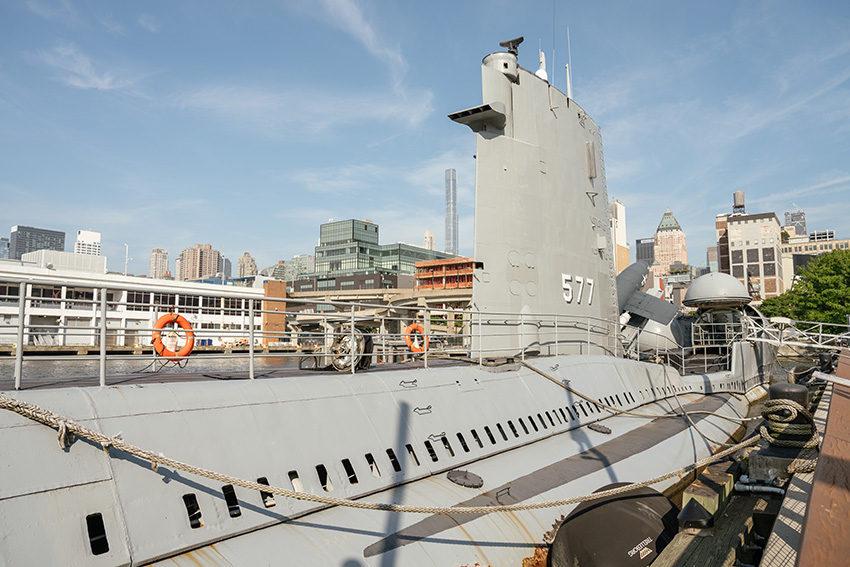
A U.S. Navy submarine is moored at a waterfront facility, illustrating the aging, technically complex shipyard infrastructure Congress targeted in the FY 2026 National Defense Authorization Act, which expands multiyear contracting and alternative delivery authorities to manage risk on major naval recapitalization projects.
Photo by DenisProduction.com/Adobe
The FY 2026 National Defense Authorization Act reshapes how military construction may be procured, even before final appropriations are enacted. Several provisions now give defense owners clearer authority to structure projects differently than under traditional MILCON delivery models.
Progressive design-build is now explicit federal law. Section 2809 authorizes the use of accelerated and progressive design-build procedures for military construction, allowing agencies to collaborate during early design before negotiating final price.
Multiyear contracting authority expands. Section 2814 authorizes multiyear contracting for certain military construction projects, enabling delivery beyond single-year execution windows.
Risk-sharing tools broaden for shipyard work. Section 2816 allows cost-plus-incentive-fee contracts for selected Shipyard Infrastructure Optimization Program projects, reflecting the complexity of naval recapitalization work.
Implementation will be agency-driven. The U.S. Army Corps of Engineers, Naval Facilities Engineering Systems Command and Air Force Civil Engineer Center are expected to issue guidance before applying these authorities.
How to Spot Progressive Design-Build Procurements Early
Early signals often appear before a solicitation is issued. Agencies exploring progressive design-build frequently release market research notices or RFIs emphasizing qualifications, collaboration approach and preconstruction services rather than final price proposals.