Why U.S. Electricity Prices Are Rising
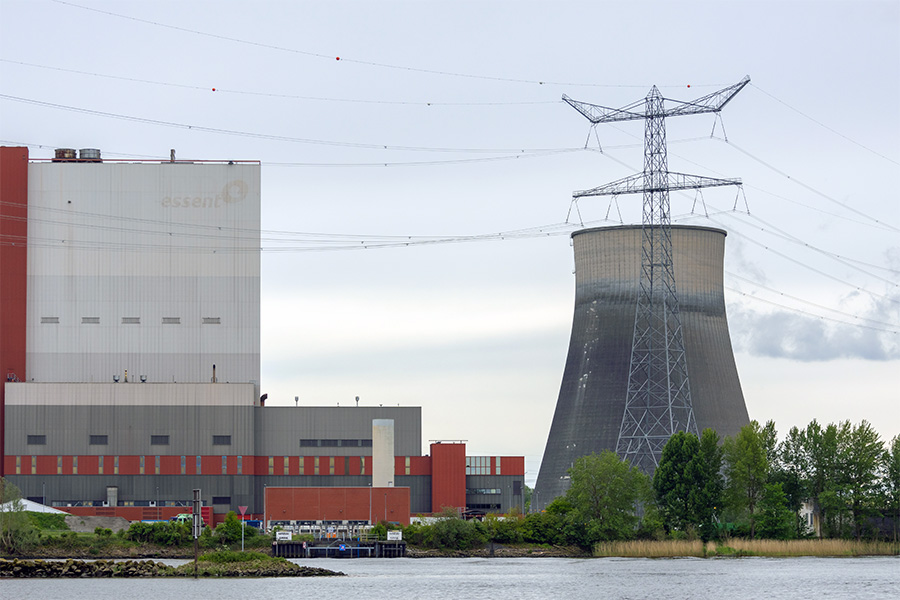
Power-generation and transmission infrastructure face growing pressure as electricity demand from data centers, manufacturing and electrification rises faster than new grid capacity can be planned and built.
Photo by Andrew Balcombe/Adobe
Electricity prices across much of the U.S. are being pushed higher by the same forces now complicating grid access for large users such as data centers, according to analysis by the World Resources Institute.
WRI points to rising demand from electrification, manufacturing and data centers, alongside aging infrastructure and long lead times for transmission expansion. While fuel costs remain a factor in some regions, the organization emphasizes that investment needs for new substations, transmission lines and grid upgrades are increasingly shaping long-term electricity costs.
The analysis notes that many grid upgrades required to maintain reliability can take years to permit and build, even as new large loads arrive quickly. That mismatch can raise costs for utilities and ratepayers and intensify scrutiny of how new demand is connected and who pays for supporting infrastructure.
For construction firms, the takeaway is less about short-term price volatility and more about structural pressure on the grid. As utilities seek to recover infrastructure costs and regulators look to shield existing customers, large electricity users are more frequently being asked to fund or build the power assets needed to support their projects.
By Bryan Gottlieb